Similar Posts
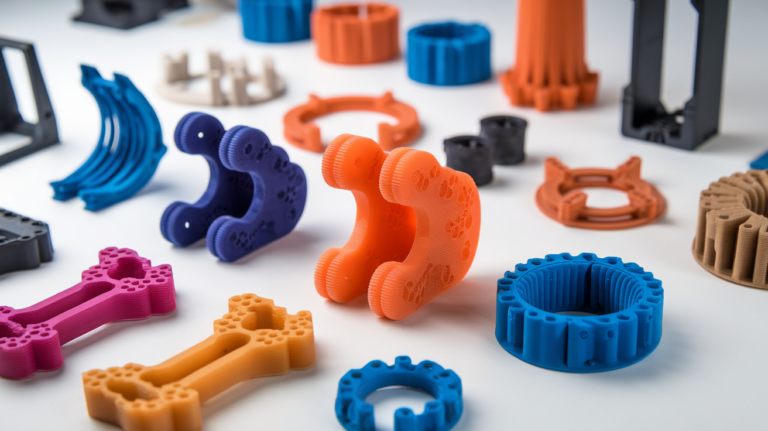
3D Printing Functional Parts: Hinges, Clips, and Print-in-Place Mechanisms
Beyond Decorative: Making Parts That Actually Work Most 3D printing content focuses on figurines, vases, and decorative items. That’s fine, but the moment I started printing functional mechanical parts — hinges that flex, clips that snap, mechanisms that move right off the build plate — everything changed. My printer stopped being a toy and became…
How to Use OctoPrint for 3D Printer Remote Monitoring: Complete Setup Guide
What Is OctoPrint and Why Should You Use It? OctoPrint is a free, open-source web interface that lets you control and monitor your 3D printer from any device with a browser. Instead of shuffling SD cards back and forth or being chained to your printer’s tiny screen, you can start prints, adjust settings, and watch…
3D Printer Dry Run Test: How to Verify Your Print Before Wasting Filament
Learn how to run a dry test on your 3D printer before committing to a real print. Four methods to catch collisions, boundary issues, and mechanical problems without wasting filament.
Layer Height vs Print Quality: Finding the Perfect Speed Tradeoff
What Is Layer Height and Why Does It Matter? When I got my first 3D printer back in 2018, I printed everything at 0.2 mm layer height because that’s what the default profile said. It took me an embarrassingly long time to realize that changing this single number could dramatically affect both how my prints…
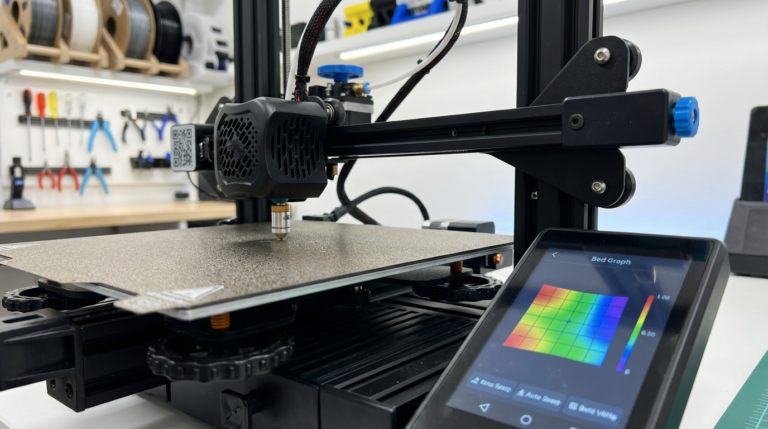
Manual vs Mesh Bed Leveling: Which Is Better for Your 3D Printer?
The Bed Leveling Problem Every Printer Owner Faces Your first layer is everything. Get it wrong and no amount of slicer tweaking saves the print. Get it right and you’re set for hours of worry-free printing. At the heart of that first layer is bed leveling — making sure the nozzle maintains a consistent distance…
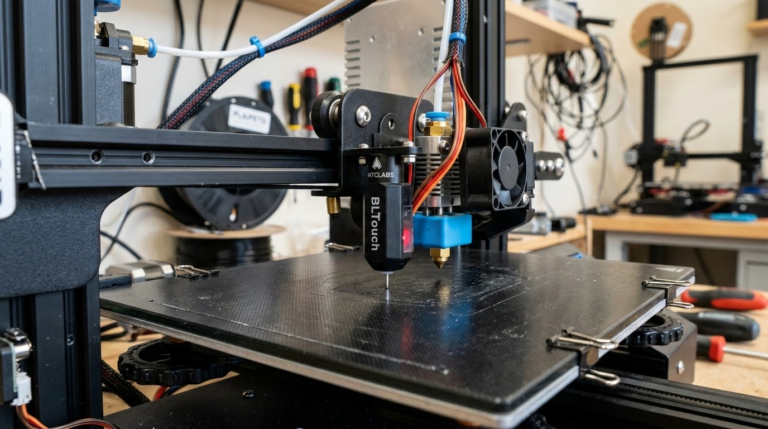
BLTouch and CR Touch Auto Bed Leveling: Complete Setup Guide
Why Auto Bed Leveling Changes Everything If you’ve spent more than a week with a 3D printer, you know the pain of manual bed leveling. Paper under the nozzle, turning knobs, printing a test square, finding one corner is too high while the other is too low, and repeating the whole process until you want…