How to Access OctoPrint Remotely and Securely From Anywhere
Why Remote Access to OctoPrint Matters
I started using OctoPrint about three years ago, and the first thing I wanted was to check on my prints from work. Watching a 14-hour print through a webcam feed while sitting at my desk gave me peace of mind — and saved at least two prints from turning into spaghetti because I could hit cancel remotely.
But here’s the thing: opening OctoPrint to the internet the wrong way is genuinely dangerous. We’re talking about a device that controls motors, heaters reaching 260°C, and has direct access to your home network. Port forwarding your OctoPrint instance without protection is one of the worst things you can do in 3D printing.
I’ve tried every major method for remote access over the past few years, and I’ll walk you through each one — what works, what’s risky, and what I actually use today.
Method 1: VPN Tunnel (My Recommended Approach)
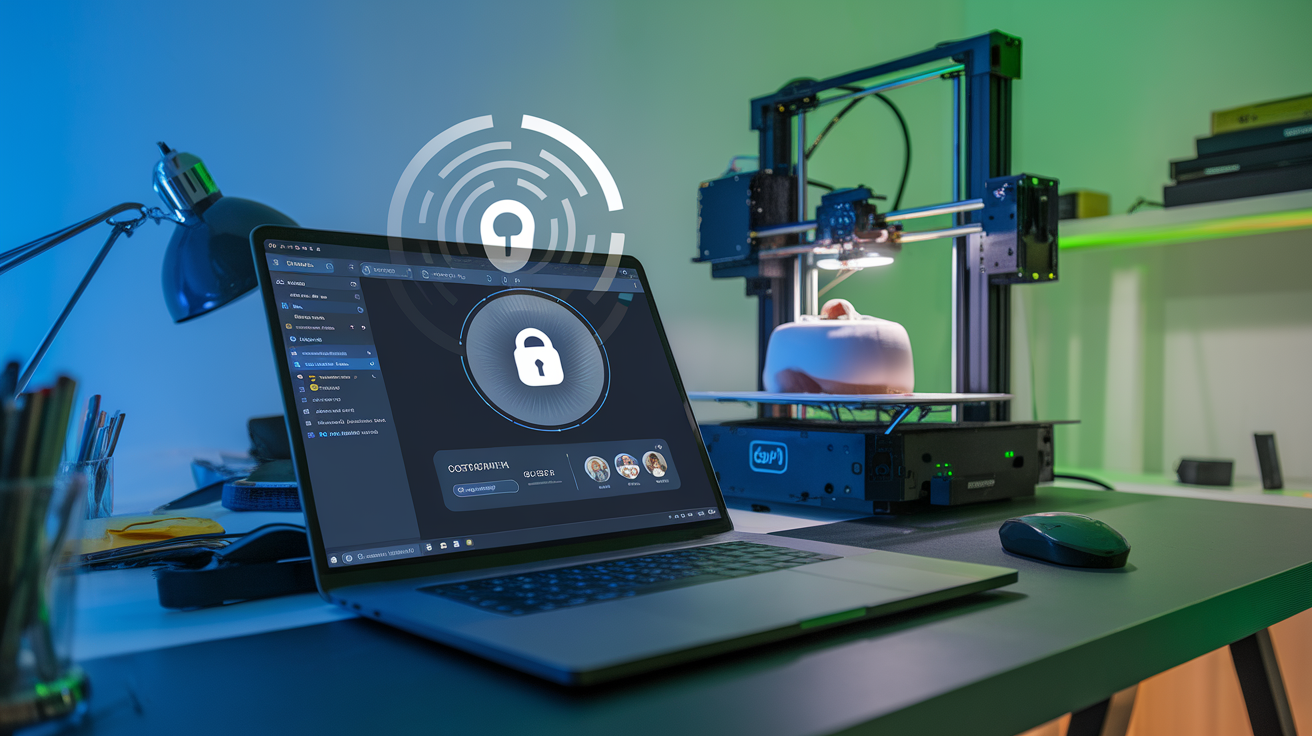
A VPN creates an encrypted tunnel between your phone or laptop and your home network. Once connected, you access OctoPrint as if you were sitting right next to it — same local IP address, same interface, full security.
WireGuard Setup
WireGuard is my go-to VPN protocol. It’s faster than OpenVPN, simpler to configure, and the connection is rock solid. Here’s what you need:
- A device running WireGuard server (your router, a Raspberry Pi, or a cheap VPS)
- WireGuard client on your phone/laptop
- A single UDP port forwarded on your router (typically 51820)
If you’re running OctoPrint on a Raspberry Pi, you can install WireGuard directly on it. But I prefer running the VPN server on a separate device — if your Pi crashes mid-print, you still want VPN access to your network for other things.
The beauty of WireGuard is that it reconnects instantly. I switch between WiFi and cellular constantly, and the OctoPrint interface barely hiccups.
Tailscale (Zero-Config VPN)
If configuring WireGuard sounds intimidating, Tailscale is the answer. It’s built on WireGuard but handles all the networking magic automatically. Install it on your OctoPrint Pi and your phone, log in with the same account, and you’re done. No port forwarding, no dynamic DNS, no firewall rules.
I’ve been recommending Tailscale to every beginner who asks me about remote OctoPrint access. The free tier covers up to 100 devices, which is more than enough. The only downside is that you’re trusting a third-party service with your network topology, but for most home users, this is a perfectly reasonable trade-off.
Method 2: OctoEverywhere (Plugin-Based)
OctoEverywhere is an OctoPrint plugin that creates a secure relay tunnel. You install it, create an account, and get a unique URL that works from anywhere. No VPN, no port forwarding.
What I Like
- Takes about 2 minutes to set up
- Works through any firewall or NAT
- Includes AI-powered print failure detection (Gadget)
- Mobile notifications for print status
- Full OctoPrint interface access, including webcam
What to Consider
- Free tier has bandwidth limits on webcam streaming
- Supporter tier ($2.50/month) removes most limitations
- Your traffic routes through their servers (encrypted, but still third-party)
For someone who wants remote access without any networking knowledge, OctoEverywhere is the easiest path. The Gadget AI feature has caught a few failed prints for me that I wouldn’t have noticed on a low-resolution webcam feed.
Method 3: Reverse Proxy With Authentication
This is the power-user approach. You run a reverse proxy (Nginx or Caddy) in front of OctoPrint, add SSL certificates, and protect it with authentication. Your OctoPrint instance gets a real domain name with HTTPS.
Basic Architecture
- Domain name pointing to your home IP (or dynamic DNS service)
- Port 443 forwarded to your reverse proxy
- Nginx/Caddy terminates SSL and proxies to OctoPrint on localhost
- Basic auth, client certificates, or OAuth for authentication
I ran this setup for about a year. It works great, but maintaining SSL certificates, keeping Nginx updated, and monitoring for unauthorized access attempts is real work. If you already run a home server and enjoy this kind of thing, go for it. Otherwise, use a VPN or OctoEverywhere.
Cloudflare Tunnel Alternative
Cloudflare Tunnel (formerly Argo Tunnel) lets you expose OctoPrint through Cloudflare’s network without opening any ports on your router. You run a lightweight daemon on your Pi, and Cloudflare handles the rest. Add Cloudflare Access on top for authentication, and you’ve got a solid setup with zero port forwarding.
The free tier is generous enough for personal use. I’ve seen several people in the 3D printing community switch to this from traditional reverse proxies.
Method 4: Port Forwarding (Don’t Do This)
I need to mention this because people still do it: forwarding port 5000 (or 80) directly to your OctoPrint instance. Please don’t.
OctoPrint was not designed to be internet-facing. The default setup has no rate limiting, no brute-force protection, and the API key system wasn’t built for public exposure. Shodan regularly indexes open OctoPrint instances, and there have been documented cases of strangers sending G-code to unprotected printers.
If someone gains access to your OctoPrint, they can:
- Heat your hotend and bed to maximum temperature
- Move axes to crash positions
- Upload and execute arbitrary G-code
- Access your webcam feed
- Potentially pivot to other devices on your network
Just don’t. Any of the three methods above is better than direct port forwarding.
Securing Your OctoPrint Instance Regardless of Access Method
Whichever remote access method you choose, these baseline security measures should be in place:
Enable Access Control
OctoPrint’s built-in access control should always be enabled. Create a strong password and don’t skip the first-run wizard. If you’ve been running without access control, go to Settings > Access Control and set it up now.
Keep OctoPrint Updated
OctoPrint updates regularly and patches are often security-related. Enable update notifications at minimum, and apply updates when prompted. The same goes for plugins — outdated plugins are a common attack vector.
Use API Key Authentication
If you’re using third-party apps to connect to OctoPrint (like OctoPod or Printoid), generate unique API keys for each application. This way, if one app is compromised, you can revoke just that key without disrupting everything else.
Webcam Considerations
Your webcam stream can reveal more than you think — room layout, daily patterns, other equipment. If you’re streaming through any remote access method, consider what’s in frame. I keep my printer webcam pointed strictly at the build plate with a narrow field of view.
My Current Setup
After trying everything, here’s what I settled on: Tailscale for quick access, OctoEverywhere for print monitoring notifications.
Tailscale gives me full OctoPrint access when I need to adjust settings, upload files, or control the printer. OctoEverywhere runs in the background and sends me mobile notifications when a print finishes, fails, or when Gadget detects something weird.
This dual setup covers both use cases — active control and passive monitoring — without exposing anything to the public internet.
Quick Comparison Table
| Method | Setup Difficulty | Security | Cost | Speed |
|---|---|---|---|---|
| WireGuard VPN | Medium | Excellent | Free | Fast |
| Tailscale | Easy | Excellent | Free tier | Fast |
| OctoEverywhere | Very Easy | Good | Free/$2.50/mo | Good |
| Reverse Proxy | Hard | Good-Excellent | Free | Fast |
| Cloudflare Tunnel | Medium | Very Good | Free | Good |
| Port Forwarding | Easy | Poor | Free | Fast |
Final Thoughts
Remote access to OctoPrint is one of those upgrades that completely changes your 3D printing workflow. Being able to start a print from your phone, monitor progress from work, and cancel a failure before it wastes hours of filament is worth the 15 minutes of setup.
Start with Tailscale if you want something working in under 5 minutes. Graduate to WireGuard if you want full control. And layer on OctoEverywhere for smart monitoring regardless of which VPN solution you pick.
Whatever you do, just don’t port-forward OctoPrint directly to the internet. Your printer — and your home network — will thank you.