Best Filament Dryers for 3D Printing in 2026: Top Picks Tested and Compared
Why You Need a Filament Dryer in 2026
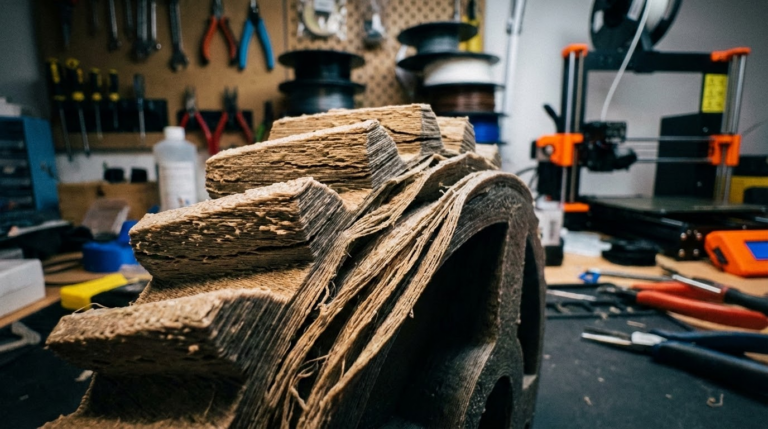
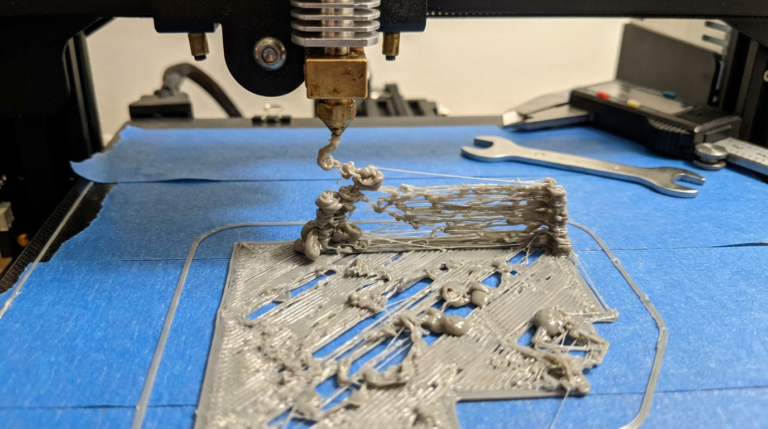
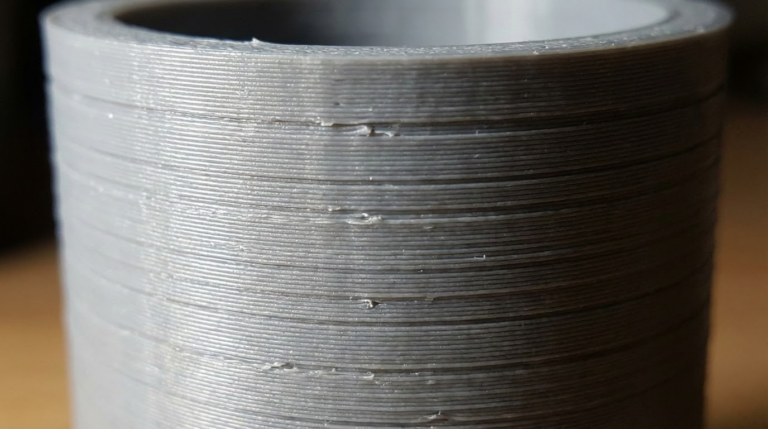
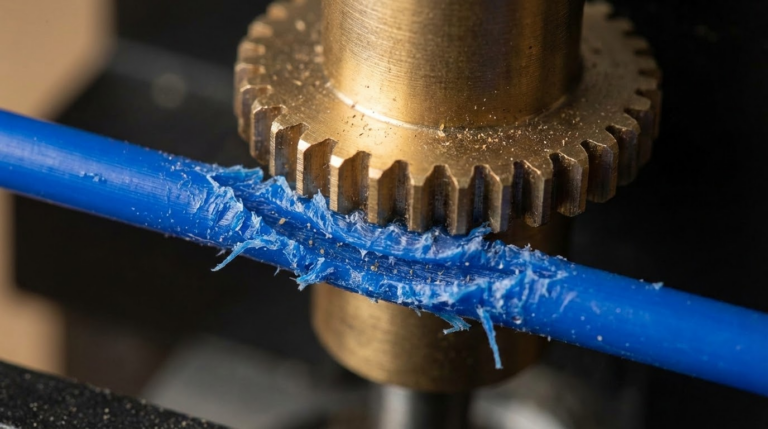
Moisture is the silent killer of 3D print quality. If you have ever seen bubbling surfaces, excessive stringing, or weak layer adhesion that appeared out of nowhere, the culprit was almost certainly wet filament. While PLA can tolerate moderate humidity, engineering materials like Nylon, TPU, PETG, and carbon fiber composites absorb moisture within hours of exposure to open air.
A dedicated filament dryer solves this problem at the source. Unlike DIY oven methods that risk melting spools or uneven heating, purpose-built dryers maintain precise temperatures with controlled airflow. Many 2026 models also let you dry while printing, feeding filament directly from the dryer to the extruder.
What to Look for in a Filament Dryer
Before diving into specific models, here are the key factors that separate a great filament dryer from a mediocre one:
- Temperature range: PLA needs only 45-50C, but Nylon and PC require 70-80C. Make sure the dryer reaches high enough for your materials.
- Spool capacity: Single-spool dryers are compact, but multi-spool units save time if you print with several materials.
- Dry-while-printing: A feed port lets you run filament directly into your printer during drying, which is essential for hygroscopic materials.
- Heating method: PTC ceramic heaters warm up faster and distribute heat more evenly than resistive coils.
- Timer and controls: Digital controls with preset profiles make operation simpler than manual dials.
Best Filament Dryers for 2026: Our Top Picks
1. SUNLU FilaDryer S4 — Best Multi-Spool Dryer
The S4 is the flagship of SUNLU dryer lineup, accommodating up to four 1kg spools simultaneously. Each spool sits in its own compartment with independent temperature monitoring, ensuring even drying across all materials.
Key specs: Capacity: 4 spools (up to 1kg each) | Temperature range: 35-70C | Heating: PTC ceramic | Dry-while-printing: Yes, 4 independent feed ports | Display: LED touchscreen
The S4 makes sense if you regularly switch between materials or want to pre-dry an entire batch before a long print session. The four independent feed ports mean you can run a multi-material setup like a Bambu Lab AMS directly from the dryer.
Best for: Multi-material users, workshops, anyone with 3+ active spools.
2. Sovol SH03 — Best for Engineering Filaments
The SH03 stands out with its dual-chamber design and maximum temperature of 80C, making it one of the few consumer dryers that can properly handle Nylon, Polycarbonate, and PA-CF composites.
Key specs: Capacity: 2 spools | Temperature range: 40-80C | Heating: Dual PTC heaters | Dry-while-printing: Yes | Display: Digital with material presets
Sovol designed this dryer specifically for users who print with demanding materials. The 80C ceiling is critical because Nylon requires sustained temperatures of 70-80C for effective drying, which many cheaper dryers simply cannot reach.
Best for: Nylon, PC, PA-CF, and other high-temperature filaments.
3. SUNLU FilaDryer S2 — Best Mid-Range Single Spool
The S2 hits a sweet spot between price and performance. It reaches 70C (enough for most materials except extreme cases), has a large touchscreen, and its compact footprint fits next to any printer.
Key specs: Capacity: 1 spool (up to 1kg) | Temperature range: 35-70C | Heating: PTC ceramic | Dry-while-printing: Yes | Display: Full-color touchscreen
Best for: General hobbyist use, single-printer setups.
4. Creality Space Pi X4 — Best for High-Temperature Drying
Creality Space Pi X4 pushes the temperature ceiling to 80C and features independent PTC heaters that allow two different drying temperatures simultaneously. This means you can dry PLA at 45C in one chamber and Nylon at 75C in the other.
Key specs: Capacity: 2 spools (up to 1kg each) | Temperature range: 35-80C | Heating: Independent dual PTC heaters | Dry-while-printing: Yes | Display: Digital with dual-zone controls
Best for: Users who frequently switch between standard and engineering filaments.
5. SUNLU FilaDryer S1 Plus — Best Budget Option
If you just need basic drying capability without breaking the bank, the S1 Plus delivers reliable performance. It reaches 55C, which is enough for PLA, PETG, and TPU but falls short for Nylon.
Key specs: Capacity: 1 spool (up to 1kg) | Temperature range: 35-55C | Heating: Resistive | Dry-while-printing: Yes | Display: LED with dial control
Best for: Budget-conscious hobbyists printing PLA and PETG.
6. Eibos Cyclopes — Best Compact Design
The Eibos Cyclopes uses a unique circular design with a top-mounted fan that forces heated air downward through the spool. This convection approach dries more evenly than passive heat alone.
Key specs: Capacity: 1 spool (up to 1kg) | Temperature range: 35-70C | Heating: PTC with active fan circulation | Dry-while-printing: Yes | Display: Digital
Best for: Users who want faster drying cycles.
7. eSUN eBOX Lite — Best for Print-While-Dry
The eBOX Lite was designed from the ground up for continuous dry-while-print operation. Its low-friction PTFE feed tube and sealed bearing system ensure smooth filament delivery even during multi-hour prints.
Key specs: Capacity: 1 spool (up to 1kg) | Temperature range: 35-60C | Heating: PTC | Dry-while-printing: Yes, optimized feed path | Display: Digital with humidity readout
Best for: Continuous printing with hygroscopic filaments.
Recommended Drying Temperatures by Material
| Material | Temperature | Time |
|---|---|---|
| PLA | 45-50C | 4-6 hours |
| PETG | 55-60C | 4-6 hours |
| ABS | 60-65C | 2-4 hours |
| TPU | 50-55C | 4-6 hours |
| Nylon (PA) | 70-80C | 6-12 hours |
| Polycarbonate | 70-80C | 6-8 hours |
| ASA | 60-65C | 4-6 hours |
| PVA | 45-50C | 4-6 hours |
Do You Really Need a Filament Dryer?
If you only print PLA in a dry climate and go through spools quickly, you can probably get away with sealed storage bags and silica gel packets. But if any of the following apply to you, a dryer is a worthwhile investment:
- You print with PETG, TPU, Nylon, or any hygroscopic material
- You live in a humid environment (above 50% RH)
- You have spools that sit unused for weeks between prints
- You notice inconsistent print quality that worsens over time
- You print functional parts where layer adhesion matters
How to Get the Most From Your Filament Dryer
- Pre-dry before first use. Even new spools can arrive with absorbed moisture from warehousing and shipping.
- Use dry-while-print mode for hygroscopic materials. Nylon and TPU can reabsorb moisture within hours, so drying once and then printing later defeats the purpose.
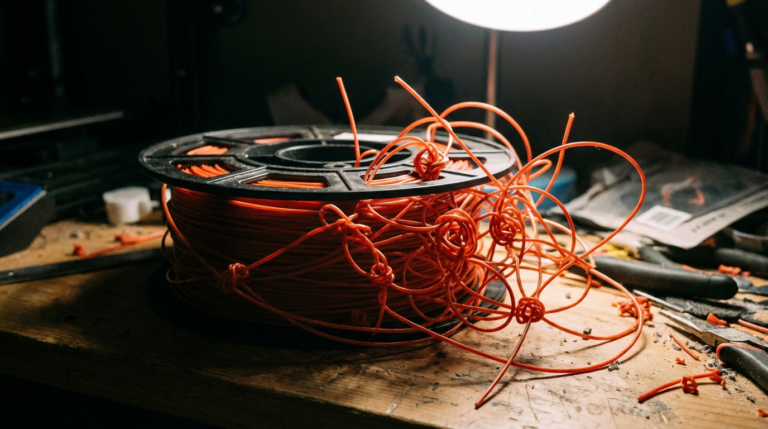
- Do not exceed recommended temperatures. Going 10C above a material glass transition temperature can warp spools or fuse filament loops together.
- Combine with dry storage. After drying, store unused spools in airtight containers with fresh silica gel.
- Monitor humidity, not just time. If your dryer has a humidity readout, wait until it drops below 15% RH before printing.
Final Verdict
For most hobbyists, the SUNLU FilaDryer S2 offers the best balance of price, temperature range, and features. If you print with engineering materials, step up to the Sovol SH03 or Creality Space Pi X4 for their 80C capability. And if you run multiple materials simultaneously, the SUNLU FilaDryer S4 is unbeatable.
The bottom line: a good filament dryer costs less than a few rolls of wasted filament. If you are serious about consistent print quality, it is one of the best investments you can make for your 3D printing setup.