Best PETG Filament in 2026: Top Brands Tested and Compared
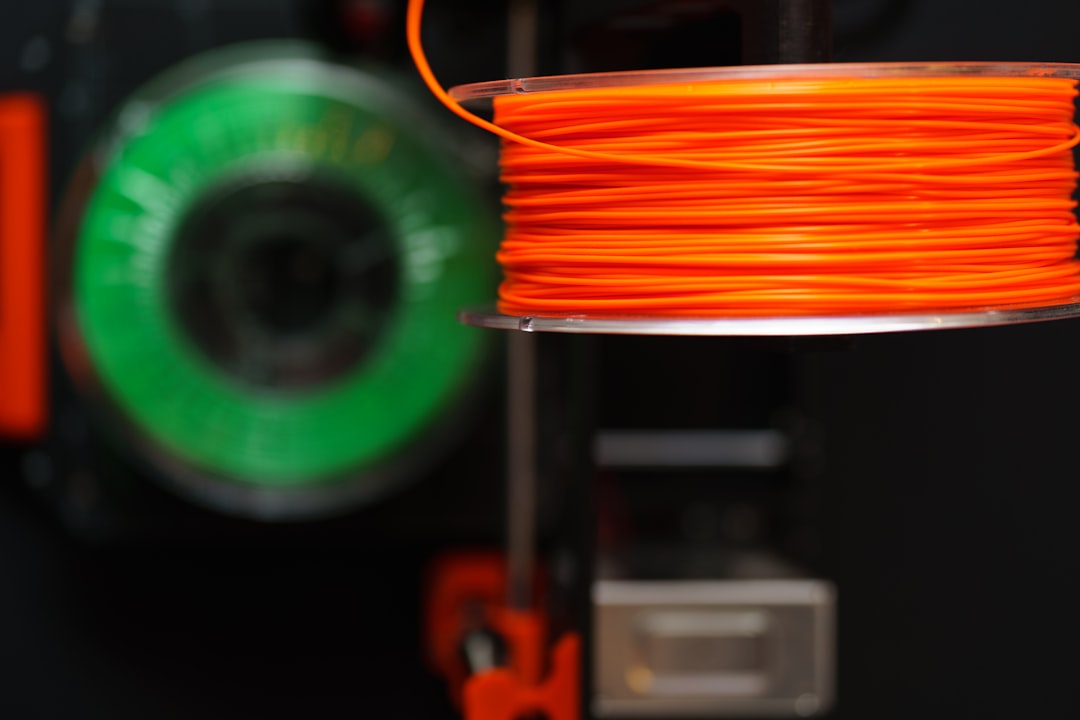
Photo by Jakub Żerdzicki on Unsplash
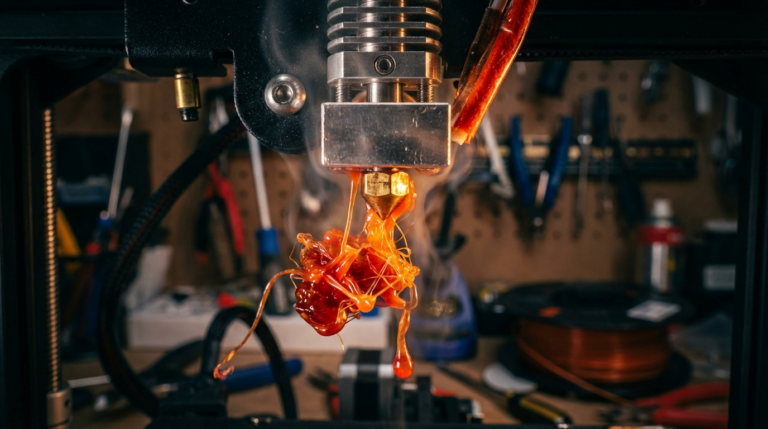
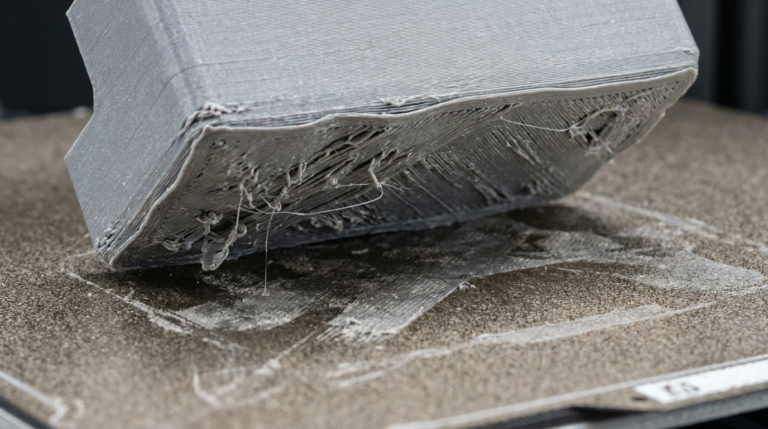
Not all PETG is created equal. I learned this the hard way after burning through three spools of bargain-bin filament that strung like crazy, popped with moisture bubbles straight out of the vacuum bag, and produced parts that looked like they’d been printed underwater. Since then, I’ve tested over a dozen PETG brands across hundreds of hours of printing — and the differences are real.
If you’re looking for the best PETG filament in 2026, this guide breaks down which brands actually deliver consistent, strong, printable results, and which ones aren’t worth the shipping cost.
What Makes a Good PETG Filament?
Before jumping into specific brands, it helps to know what separates great PETG from mediocre PETG. Three things matter most:
Dimensional tolerance. Cheap filament varies in diameter along the spool — sometimes 1.72mm, sometimes 1.78mm. That inconsistency causes under-extrusion in some spots and over-extrusion in others. The best brands hold ±0.02mm tolerance across the entire spool.
Moisture content out of the box. PETG is hygroscopic. It absorbs moisture from the air, and wet PETG produces horrible prints — bubbles, rough surfaces, poor layer adhesion. Good brands vacuum-seal their spools with desiccant and actually maintain low moisture from factory to your doorstep.
Clarity and color consistency. This one matters more than people think. If a brand’s “black” PETG looks different across two spools from the same batch, their quality control is lacking. Consistency in color usually correlates with consistency in everything else.
Best PETG Filament Brands in 2026: Our Top Picks
1. Polymaker PolyLite PETG — Best Overall
Polymaker has been my go-to PETG for over a year now. PolyLite PETG prints with remarkably low stringing compared to other PETG brands, the dimensional accuracy is consistently within ±0.02mm, and layer adhesion is excellent.
What I like:
- Minimal stringing at 230°C with 4mm retraction on direct drive
- Excellent layer adhesion — parts are genuinely tough
- Wide color selection including translucent options
- Vacuum sealed with desiccant, arrives dry every time
What I don’t:
- Slightly more expensive than budget brands ($22-25/kg)
- Translucent colors show infill patterns more than opaque
Best for: Functional parts, mechanical brackets, anything where reliability matters more than saving three dollars per spool.
Print settings that work: 230-240°C nozzle, 80°C bed, 30-40% fan, 45mm/s
2. Overture PETG — Best Budget Pick
Overture is the brand I recommend to anyone who asks “what’s a good cheap PETG?” It’s not flashy, the spool design is basic, and they don’t have exotic colors. But the filament itself prints well and costs around $16-18 per kilogram.
What I like:
- Genuinely good quality for the price — ±0.03mm tolerance
- Comes with a build surface sheet (nice touch)
- Consistent results spool after spool
- Available on Amazon with fast shipping
What I don’t:
- Strings a bit more than Polymaker — needs more retraction tuning
- Occasional moisture issues if the vacuum seal isn’t perfect
- Limited color range compared to premium brands
Best for: Prototyping, large prints where you’re going through material fast, and anyone who doesn’t want to spend $25/kg on filament.
Print settings that work: 235-245°C nozzle, 80°C bed, 30% fan, 40mm/s
3. Prusament PETG — Best Quality Control
Prusa literally publishes the quality control data for every single spool they sell. You scan a QR code on the spool and see the exact diameter measurements throughout the entire roll. That level of transparency is unmatched.
What I like:
- ±0.02mm tolerance with published proof for each spool
- Prints beautifully with almost no tuning needed
- Excellent translucent and Galaxy colors
- Made in Czech Republic with real quality oversight
What I don’t:
- Expensive — around $28-30/kg
- Only available from Prusa directly (shipping from EU adds time and cost for US buyers)
- Limited to Prusa’s color palette
Best for: Precision parts, anyone who demands verified quality, Prusa printer owners who want guaranteed compatibility.
Print settings that work: 230-250°C nozzle, 85°C bed, 30-50% fan, 40-60mm/s
4. Hatchbox PETG — Most Reliable on Amazon
Hatchbox has been around since the early days of consumer 3D printing, and their PETG is a solid all-rounder. It’s the brand I point people to when they just want something that works without researching filament for three hours.
What I like:
- Very consistent quality — I’ve bought probably 30 spools over the years without a dud
- Prints well at relatively low PETG temperatures (225-235°C)
- Good spool winding — no tangles
- $19-22/kg price hits the sweet spot
What I don’t:
- Color options are fairly basic
- Not as strong as Polymaker or Prusament in my pull tests
- Availability can be spotty — popular colors go out of stock
Best for: Everyday printing, beginners transitioning from PLA to PETG, anyone who values “just works” reliability.
Print settings that work: 225-235°C nozzle, 75°C bed, 30% fan, 40mm/s
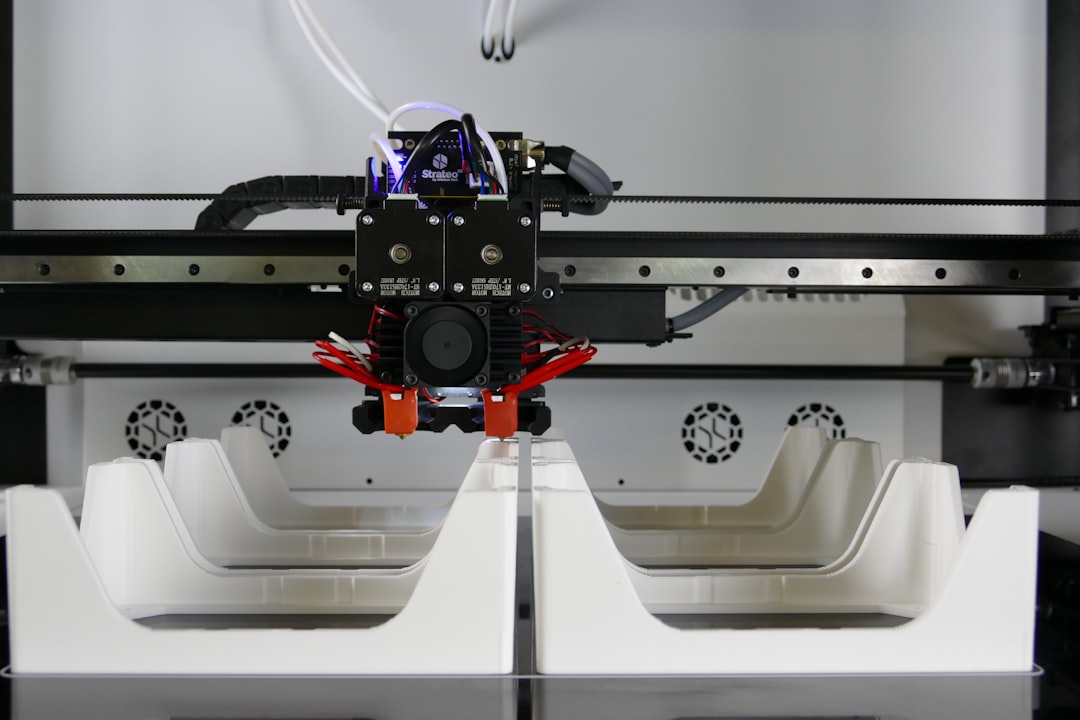
Photo by eMotion Tech on Unsplash
5. eSUN PETG — Best for High-Speed Printing
eSUN’s PETG handles speed better than most. On my Bambu Lab P1S, I’ve pushed it to 80mm/s without significant quality loss — most PETG brands start getting ugly above 50-60mm/s. If you print on a fast machine and don’t want to slow down for PETG, eSUN is worth trying.
What I like:
- Handles higher print speeds without degradation
- Good range of colors including some nice translucent options
- Reasonably priced at $18-20/kg
- Strong layer adhesion even at faster speeds
What I don’t:
- Diameter tolerance is ±0.03mm — not as tight as Polymaker or Prusament
- More sensitive to moisture than some competitors
- Stringing requires more aggressive retraction settings
Best for: High-speed printers (Bambu Lab, Voron builds), production runs where time matters.
Print settings that work: 235-245°C nozzle, 80°C bed, 40% fan, 60-80mm/s
6. Atomic Filament PETG — Best for Strength
Atomic Filament is a smaller US-based manufacturer that doesn’t get the marketing buzz of bigger brands, but their PETG is seriously strong. In my informal pull tests, Atomic PETG parts consistently broke at higher loads than equivalent parts from other brands.
What I like:
- Noticeably stronger parts — excellent interlayer bonding
- Made in the USA with tight quality control
- Unique color options you won’t find elsewhere
- Very low moisture content out of the box
What I don’t:
- $25-28/kg puts it in premium territory
- Only available from their website — no Amazon Prime convenience
- Smaller company means occasional stock issues
Best for: Structural parts, jigs, fixtures, anything where mechanical strength is the priority.
Print settings that work: 235-245°C nozzle, 80°C bed, 25-35% fan, 40mm/s
PETG Brands to Avoid
I won’t name every bad brand, but here are the patterns to watch for:
No-name Amazon brands under $14/kg. At that price point, quality control is the first thing that gets cut. Inconsistent diameter, poor vacuum sealing, and mysterious “popping” during printing are common.
Brands with no tolerance spec listed. If a manufacturer doesn’t tell you their diameter tolerance, it’s because the number isn’t flattering. Reputable brands proudly display ±0.02 or ±0.03mm.
Spools that arrive with broken vacuum seals. This happens occasionally even with good brands, but if reviews consistently mention it, the manufacturer isn’t packaging properly. Wet PETG is bad PETG.
PETG Printing Tips That Apply to Every Brand
Regardless of which brand you choose, these tips will improve your PETG results:
Dry your filament before first use. Even well-sealed spools benefit from a 4-6 hour session at 65°C in a filament dryer. PETG that seems fine out of the box will still print noticeably better after drying.
Use a glue stick on PEI beds. I know it sounds counterintuitive — you’d think glue means more adhesion. But with PETG, a thin layer of PVA glue stick actually acts as a release agent, preventing the PETG from bonding permanently to your build plate. I’ve ripped chunks out of PEI sheets before learning this lesson.
Slow down. PETG likes to be printed 10-20mm/s slower than PLA. Fighting this just creates stringing problems and poor surface quality. Give it time.
Lower your cooling fan. Unlike PLA which loves 100% cooling, PETG wants 25-40% fan speed. Too much cooling weakens layer adhesion and creates visible layer lines. Some printers even need fan off for the first 3-4 layers.
Increase retraction slightly. Most PETG benefits from 0.5-1mm more retraction than your PLA profile. On direct drive, I typically run 4-5mm retraction for PETG versus 3mm for PLA.
Quick Comparison Table
Here’s how our top picks stack up side by side:
| Brand | Price/kg | Tolerance | Best For | Rating |
|---|---|---|---|---|
| Polymaker PolyLite | $22-25 | ±0.02mm | Overall best | 9.2/10 |
| Overture | $16-18 | ±0.03mm | Budget pick | 8.5/10 |
| Prusament | $28-30 | ±0.02mm | Quality control | 9.0/10 |
| Hatchbox | $19-22 | ±0.03mm | Everyday use | 8.3/10 |
| eSUN | $18-20 | ±0.03mm | High-speed printing | 8.4/10 |
| Atomic Filament | $25-28 | ±0.02mm | Maximum strength | 8.8/10 |
Final Verdict: Which PETG Should You Buy?
If you want the short answer: Polymaker PolyLite PETG is the best PETG filament for most people in 2026. It’s not the cheapest, but it prints with fewer headaches than anything else I’ve tested, and the parts are genuinely strong.
If budget matters, Overture PETG punches well above its price point. If you’re a data nerd who wants verified QC numbers, Prusament is unbeatable. And if you’re printing structural parts where failure isn’t an option, Atomic Filament makes the strongest PETG I’ve tested.
The real takeaway is this: good PETG makes PETG enjoyable to print. Bad PETG makes you think PETG is a terrible material. Spend the extra few dollars per spool, and you’ll wonder why people complain about PETG so much.