How Much Does 3D Printing Cost? Complete Breakdown for Beginners

The True Cost of 3D Printing in 2026
When you are thinking about getting into 3D printing, the first question is always about money. The short answer is that 3D printing is surprisingly affordable as a hobby, but the real cost depends on what you are printing, how often, and with what materials.
This guide breaks down every cost category so you know exactly what to expect. No vague ranges or hand-waving. Just real numbers based on actual use in 2026.
Upfront Costs: The 3D Printer
The printer itself is the biggest single expense. Here is what each price tier gets you:
Budget Tier: $150-$300
This is where most beginners start, and 2026 budget printers are shockingly good. Machines like the Creality Ender 3 V3 ($250), Elegoo Neptune 4 ($200), and Anycubic Kobra 3 ($230) offer features that cost $800 or more just three years ago. You get auto bed leveling, reasonable speed (150-300mm/s), all-metal hotend, decent build volume (220 x 220mm or larger), and Klipper firmware.
Mid-Range: $300-$700
This tier adds enclosed printing, multi-color capability, or both. The Bambu Lab A1 Combo ($450), Bambu Lab P1S ($600), and Creality K1C ($500) are standout options. You get everything from the budget tier plus enclosure (some models), AMS multi-color (some models), faster speeds, and better reliability.
Premium: $700-$2000+
Printers like the Bambu Lab X1 Carbon ($1,200) and Prusa MK4S ($800) occupy this space. You get the best build quality, multi-material support, tool-changing systems, and premium software ecosystems. For most hobbyists and beginners, the $200-$400 range provides everything needed.
Recurring Cost #1: Filament
Filament is the primary recurring expense, and it varies significantly by material type.
Filament Cost Per Kilogram (2026 Prices)
| Material | Price per 1kg Spool | Cost per Gram |
|---|---|---|
| PLA | $15-$25 | $0.015-$0.025 |
| PLA+ | $18-$28 | $0.018-$0.028 |
| PETG | $18-$30 | $0.018-$0.030 |
| ABS | $15-$25 | $0.015-$0.025 |
| TPU | $25-$40 | $0.025-$0.040 |
| Nylon | $35-$60 | $0.035-$0.060 |
| Carbon Fiber Nylon | $50-$80 | $0.050-$0.080 |
| Polycarbonate | $35-$55 | $0.035-$0.055 |
What Does a Typical Print Cost in Filament?
| Object | Weight | Filament Cost |
|---|---|---|
| Benchy (test boat) | 12g | $0.24 |
| Phone stand | 30g | $0.60 |
| Small vase | 50g | $1.00 |
| Raspberry Pi case | 40g | $0.80 |
| Large planter | 200g | $4.00 |
| Cosplay helmet | 300-500g | $6.00-$10.00 |
| Full cosplay armor set | 2-3kg | $40.00-$60.00 |
For most hobbyists printing a few items per week, a single 1kg spool lasts 2-4 weeks. That puts monthly filament costs at $15-$50 depending on usage.
Recurring Cost #2: Electricity
Electricity is often overstated as a concern. 3D printers use surprisingly little power.
Power Consumption by Printer Type
| Printer Type | Average Power Draw | Cost per Hour* |
|---|---|---|
| Small FDM (Ender 3, A1 Mini) | 120-200W | $0.02-$0.03 |
| Mid-size FDM (P1S, K1) | 200-350W | $0.03-$0.05 |
| Large FDM (K1 Max, Neptune 4 Max) | 300-500W | $0.05-$0.08 |
| Resin (Elegoo Mars, Anycubic Photon) | 50-100W | $0.01-$0.02 |
*Based on US average of $0.16/kWh. The bottom line: electricity costs for 3D printing are negligible. Even heavy users rarely spend more than $3-$5 per month on power.
Recurring Cost #3: Replacement Parts and Maintenance
| Part | Lifespan | Replacement Cost |
|---|---|---|
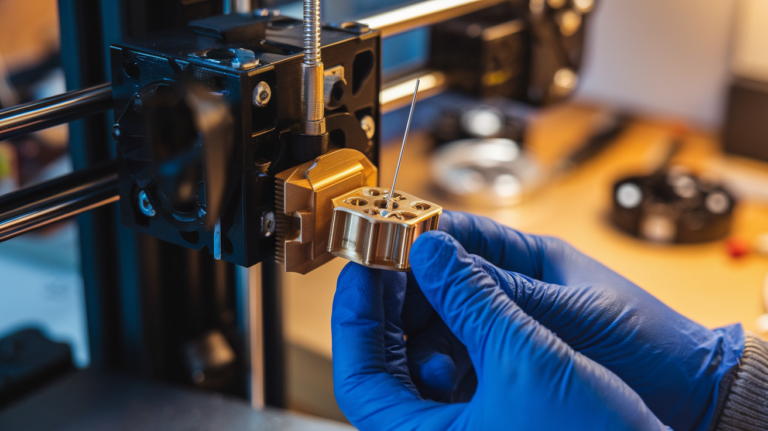
| Brass nozzle (0.4mm) | 200-500 hours | $2-$5 |
| Hardened steel nozzle | 1000-2000+ hours | $8-$15 |
| PTFE tube (Bowden) | 500-1000 hours | $5-$10 |
| PEI print sheet | 6-12 months | $10-$20 |
| Timing belts | 1-2 years | $5-$15 |
| Hotend heat break | 1-3 years | $10-$25 |
| Extruder gears | 1-2 years | $5-$15 |
Annual maintenance costs for a well-cared-for FDM printer run about $30-$60.
Optional Costs
- Filament Dryer ($30-$120): Essential if you print with Nylon, TPU, or live in a humid environment. Optional for PLA-only users.
- Enclosure ($0-$150): A DIY enclosure using IKEA Lack tables costs around $20-$40. Pre-made enclosures run $80-$150. Only necessary for ABS and high-temperature materials.
- Upgraded Nozzles ($10-$40): Hardened steel or ruby-tipped nozzles last much longer and handle abrasive filaments.
- Slicer Software: Free. All major slicers (OrcaSlicer, Cura, PrusaSlicer, Bambu Studio) are free and open source.
- Build Surface Upgrades ($15-$30): A textured PEI spring steel sheet is the best upgrade for print adhesion.
Total Cost of Ownership
Casual User (2-3 prints per week)
| Category | Year 1 | Annual After |
|---|---|---|
| Printer | $250 | $0 |
| Filament (6-8 spools) | $120-$160 | $120-$160 |
| Electricity | $15-$25 | $15-$25 |
| Maintenance | $20-$30 | $20-$30 |
| Accessories | $30-$50 | $10-$20 |
| Total | $435-$515 | $165-$235 |
Regular User (5-7 prints per week)
| Category | Year 1 | Annual After |
|---|---|---|
| Printer | $400 | $0 |
| Filament (12-15 spools) | $240-$300 | $240-$300 |
| Electricity | $25-$40 | $25-$40 |
| Maintenance | $40-$60 | $40-$60 |
| Accessories | $60-$100 | $20-$40 |
| Total | $765-$900 | $325-$440 |
Heavy User (daily printing, multiple materials)
| Category | Year 1 | Annual After |
|---|---|---|
| Printer | $700 | $0 |
| Filament (25-30 spools) | $500-$750 | $500-$750 |
| Electricity | $40-$60 | $40-$60 |
| Maintenance | $60-$100 | $60-$100 |
| Accessories | $100-$200 | $30-$60 |
| Total | $1,400-$1,810 | $630-$970 |
3D Printing vs Buying Parts
Cheaper to print: Custom brackets, mounts, and adapters. Replacement parts for appliances (OEM costs $10-$30, printing costs $0.20-$1.00). Board game inserts and organizers ($20-$40 retail vs $2-$4 in filament). Prototypes and iterations.
Cheaper to buy: Simple containers and storage. Items that need to be food-safe or medical-grade. High-volume identical parts (injection molding wins above 50-100 units). Anything that needs sustained UV exposure (unless using ASA).
3D Printing Service Costs
| Service Type | Typical Cost |
|---|---|
| FDM PLA (online service) | $5-$30 per part |
| FDM specialty filament | $10-$60 per part |
| SLA/Resin (online service) | $10-$50 per part |
| Nylon SLS | $20-$100 per part |
| Metal (DMLS) | $50-$500+ per part |
| Local makerspace (hourly) | $3-$10/hour + materials |
If you only need a few prints per year, a service makes more sense than buying a printer. If you print monthly or more, owning a printer pays for itself quickly.
How to Minimize Your 3D Printing Costs
- Buy filament in bulk. Multi-packs of 3-5 spools usually save 15-25% per spool.
- Use appropriate infill. Most prints do not need more than 15-20% infill. Going from 50% to 15% cuts filament use nearly in half.
- Print with draft settings for prototypes. 0.3mm layer height at high speed uses less time and similar filament.
- Maintain your printer. A clogged nozzle wastes more filament than a new nozzle costs.
- Store filament properly. Wet filament causes failed prints, which waste both material and time.
- Use tree supports instead of normal supports. They use 30-50% less material and are easier to remove.
- Hardened steel nozzle for abrasive filaments. One $12 nozzle lasts 10 times longer than brass with carbon fiber filament.
Bottom Line
3D printing in 2026 is cheaper than most people expect. A capable printer costs $200-$400, filament runs $15-$25 per kilogram, and electricity is negligible. For a casual hobbyist, total first-year costs land around $400-$500, dropping to $150-$250 per year after that.
The real value of 3D printing is not in saving money versus buying commercial products. It is in making things that do not exist yet: custom parts, perfect-fit solutions, rapid prototypes, and one-off creations that would be impossible or absurdly expensive to obtain any other way.