Skip to content

NozzleNerd

  • Home
  • Troubleshooting
  • Filament Guides
  • Tips & Tricks
  • Author
  • About
  • Contact
NozzleNerd
  • How to Use Ironing in Cura for Glass-Smooth 3D Print Top Surfaces
    slicer-settings

    How to Use Ironing in Cura for Glass-Smooth 3D Print Top Surfaces

    ByMike Reynolds February 26, 2026

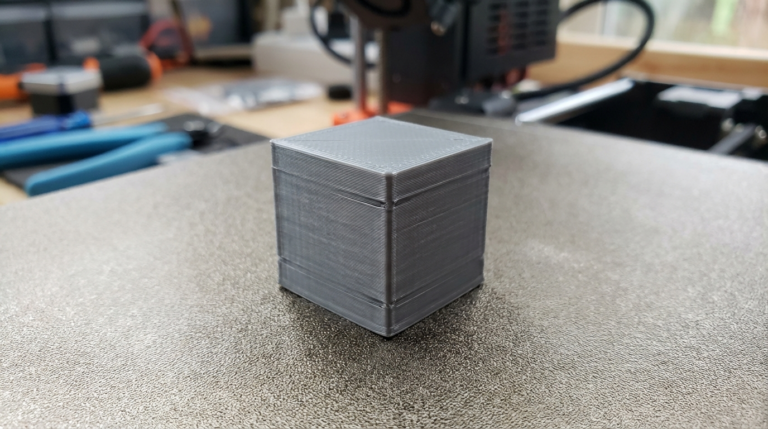
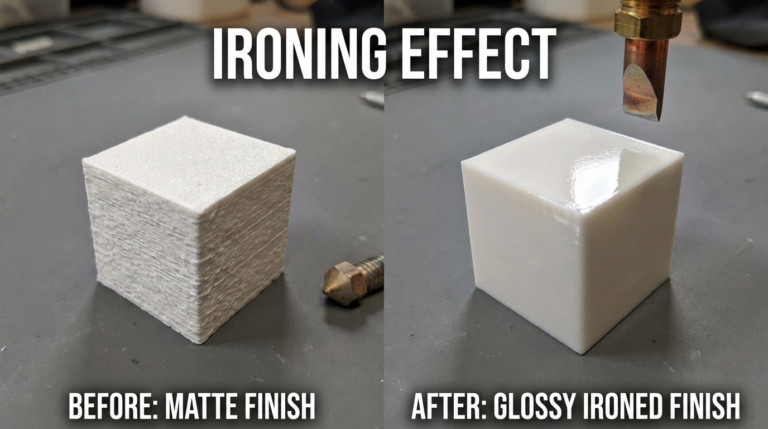
    If you’ve ever looked at the top surface of an FDM print and wished it was smoother, ironing is the answer. This Cura feature runs the hot nozzle back over the top layer with minimal extrusion, effectively melting and flattening the surface. The result is a noticeably smoother, more professional finish — and it adds…

    Read More How to Use Ironing in Cura for Glass-Smooth 3D Print Top SurfacesContinue

  • 3D Printer Thermistor Problems: How to Diagnose and Fix Temperature Errors
    Troubleshooting

    3D Printer Thermistor Problems: How to Diagnose and Fix Temperature Errors

    ByMike Reynolds February 26, 2026

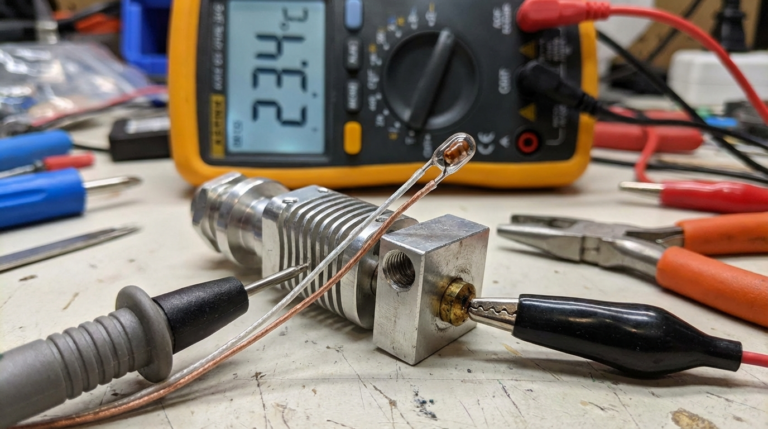
    Your 3D printer’s thermistor is a tiny sensor that plays a massive role — it tells the firmware exactly how hot the hotend and heated bed are. When it fails or malfunctions, you get erratic temperatures, thermal runaway errors, failed prints, and potentially even a fire hazard. In this guide, I’ll cover every common thermistor…

    Read More 3D Printer Thermistor Problems: How to Diagnose and Fix Temperature ErrorsContinue

  • Best Filament for Lithophane 3D Printing: Complete Material Guide
    Filament Guides

    Best Filament for Lithophane 3D Printing: Complete Material Guide

    ByMike Reynolds February 26, 2026

    Lithophanes are one of the most magical things you can create with a 3D printer. These thin panels turn any photograph into a three-dimensional relief that reveals stunning detail when lit from behind. The trick is that thicker areas block more light (appearing darker) while thinner areas let light through (appearing brighter). The result is…

    Read More Best Filament for Lithophane 3D Printing: Complete Material GuideContinue

  • 3D Print Snap Fit Joints: Design Guide for Perfect Click-Together Parts
    Tips & Tricks

    3D Print Snap Fit Joints: Design Guide for Perfect Click-Together Parts

    ByMike Reynolds February 26, 2026

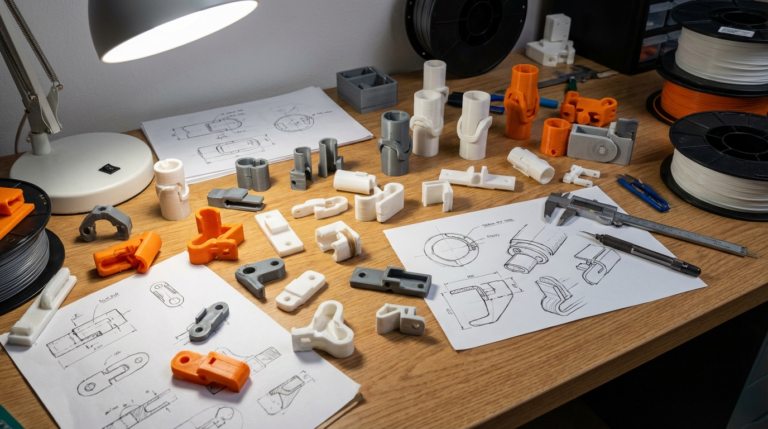
    Snap fit joints are one of the most useful mechanical features you can 3D print. They let you create enclosures, battery covers, modular assemblies, and functional prototypes that click together without screws, glue, or hardware. But designing snap fits for FDM printing requires understanding material behavior, print orientation, and tolerance — get any of these…

    Read More 3D Print Snap Fit Joints: Design Guide for Perfect Click-Together PartsContinue

  • How to Replace a Bowden Tube on Your 3D Printer (Complete Guide)
    Tips & Tricks

    How to Replace a Bowden Tube on Your 3D Printer (Complete Guide)

    ByMike Reynolds February 26, 2026

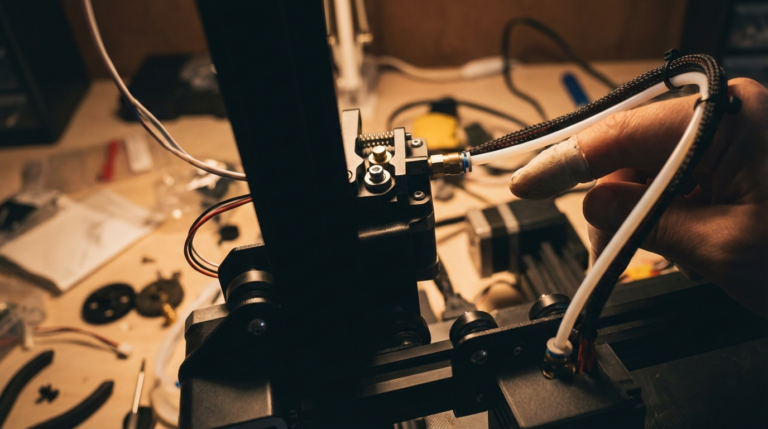
    If your 3D printer is experiencing inconsistent extrusion, unexpected clogs, or PTFE particles in your prints, it might be time to replace the bowden tube. This critical component guides filament from the extruder motor to the hotend, and over time it degrades — especially if you print at higher temperatures. In this guide, I’ll walk…

    Read More How to Replace a Bowden Tube on Your 3D Printer (Complete Guide)Continue

  • How to 3D Print Clear Transparent PETG: Settings for Maximum Clarity
    Filament Guides

    How to 3D Print Clear Transparent PETG: Settings for Maximum Clarity

    ByMike Reynolds February 25, 2026

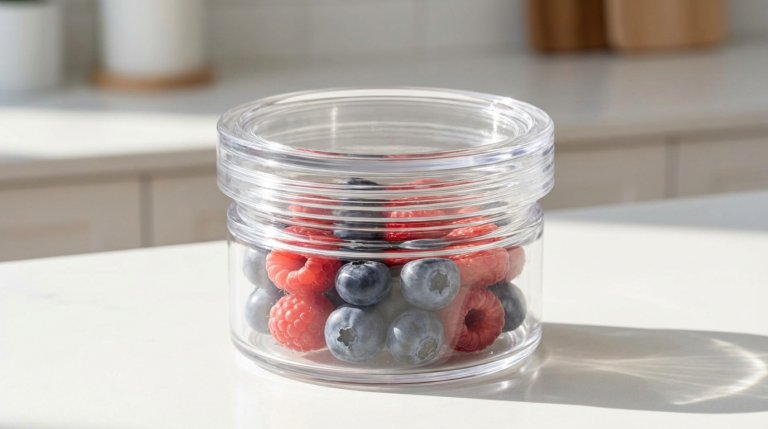
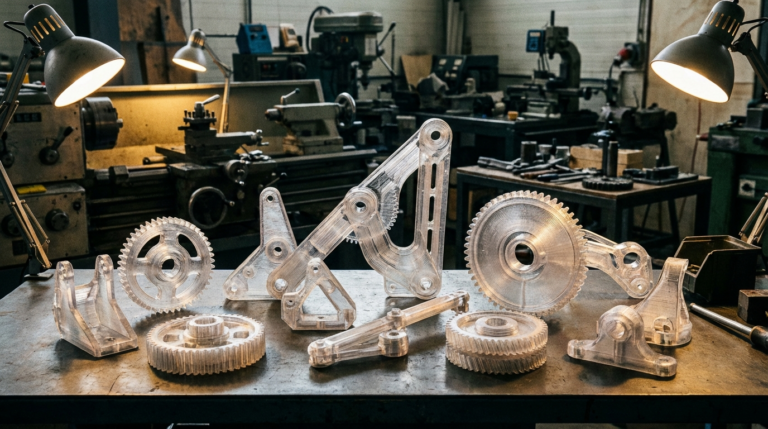
    What Causes PETG to Cloud, Fog, or Lose Clarity? PETG is one of the few FDM filaments that can produce genuinely transparent or translucent prints — vases, light diffusers, window panels, and display cases that let light pass through beautifully. But achieving that clarity isn’t as simple as loading a clear PETG spool and hitting…

    Read More How to 3D Print Clear Transparent PETG: Settings for Maximum ClarityContinue

  • Pressure Advance and Linear Advance: Complete Tuning Guide for 3D Printers
    Tips & Tricks

    Pressure Advance and Linear Advance: Complete Tuning Guide for 3D Printers

    ByMike Reynolds February 25, 2026

    What Are Pressure Advance and Linear Advance? If you’ve ever noticed bulging corners, inconsistent line widths during speed changes, or blobby starts and stops on your prints, the culprit is often filament pressure dynamics inside your hotend. Pressure Advance (Klipper) and Linear Advance (Marlin) are firmware features designed to compensate for this by predicting and…

    Read More Pressure Advance and Linear Advance: Complete Tuning Guide for 3D PrintersContinue

  • Best 3D Printers Under 200 Dollars in 2025: Budget Picks That Actually Work
    Budget Printers | Reviews

    Best 3D Printers Under 200 Dollars in 2025: Budget Picks That Actually Work

    ByMike Reynolds February 25, 2026

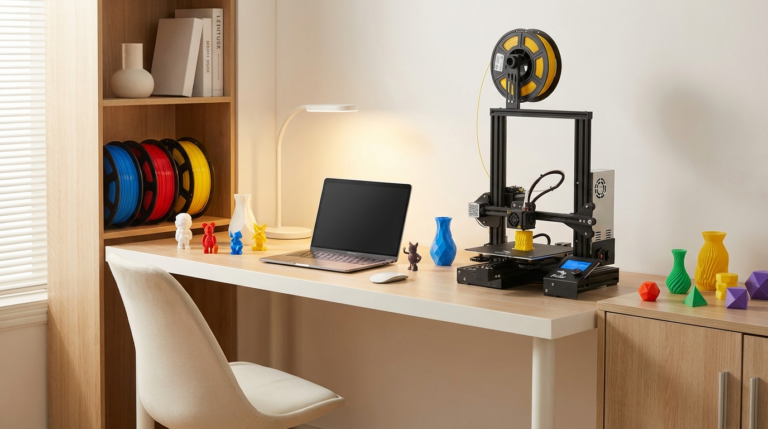
    Can You Really Get a Good 3D Printer for Under $200? A few years ago, spending under $200 on a 3D printer meant settling for a barely functional kit that required hours of assembly and endless tinkering. That era is over. The budget printer market in 2025 has reached a point where sub-$200 machines deliver…

    Read More Best 3D Printers Under 200 Dollars in 2025: Budget Picks That Actually WorkContinue

  • PVA Soluble Support Material: Complete 3D Printing Guide
    Filament Guides

    PVA Soluble Support Material: Complete 3D Printing Guide

    ByMike Reynolds February 25, 2026

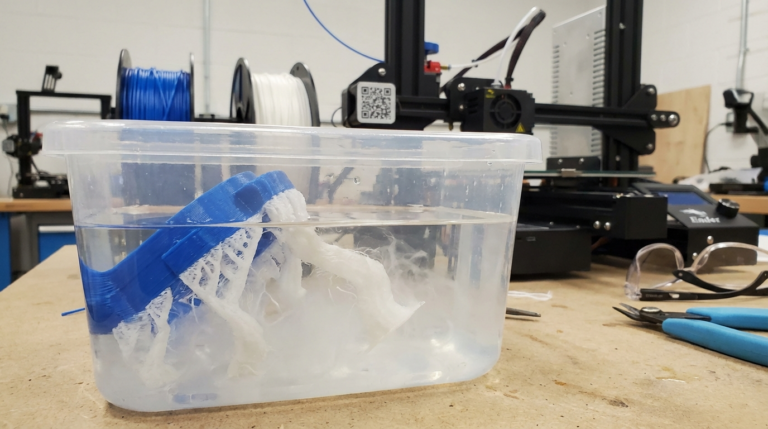
    What Is PVA Support Material? PVA (Polyvinyl Alcohol) is a water-soluble filament designed specifically for use as support material in dual-extrusion 3D printers. Instead of wrestling with pliers, knives, and sandpaper to remove traditional supports, you simply drop your finished print into warm water and let chemistry do the work. The PVA dissolves completely, leaving…

    Read More PVA Soluble Support Material: Complete 3D Printing GuideContinue

  • Polycarbonate 3D Printing Guide: Settings, Tips and Troubleshooting
    Filament Guides

    Polycarbonate 3D Printing Guide: Settings, Tips and Troubleshooting

    ByMike Reynolds February 25, 2026

    What Is Polycarbonate Filament? Polycarbonate (PC) is one of the strongest thermoplastics available for desktop FDM 3D printing. Known for its exceptional impact resistance, high heat deflection temperature, and natural transparency, polycarbonate is the go-to material for engineers and makers who need parts that can take real-world punishment. Unlike PLA or even PETG, polycarbonate demands…

    Read More Polycarbonate 3D Printing Guide: Settings, Tips and TroubleshootingContinue

Page navigation

Previous PagePrevious 1 … 10 11 12 13 14 … 23 Next PageNext

© 2026 NozzleNerd. All rights reserved. | Practical 3D Printing Guides

  • Home
  • Troubleshooting
  • Filament Guides
  • Tips & Tricks
  • Author
  • About
  • Contact