Recycled & Eco-Friendly 3D Printing Filaments: 2026 Guide
The Sustainability Problem in 3D Printing
3D printing generates significant plastic waste. Failed prints, support material, purge towers from multi-color printing, and calibration tests all contribute to a growing mountain of discarded plastic. The average hobbyist wastes an estimated 15-20% of their filament annually.
The industry has responded with two approaches: filaments made from recycled materials, and bio-based filaments designed to reduce environmental impact. Both categories have matured substantially in 2026, offering print quality that rivals virgin materials in many applications.
Types of Eco-Friendly Filaments
Recycled PETG (rPETG)
Recycled PETG is made from post-consumer plastic — primarily water bottles and food containers. The recycling process shreds, washes, and re-extrudes the plastic into 1.75mm filament.
Print Settings: Nozzle 230-250°C, Bed 70-80°C, Speed 40-60mm/s, Fan 30-50%
Pros: Identical mechanical properties to virgin PETG, excellent layer adhesion and minimal warping, chemical resistant, widely available from Prusament, 3DJake, and Fillamentum.
Cons: Slightly more stringing in some batches, limited color options, occasional diameter inconsistencies in budget brands.
Best for: Functional parts, containers, outdoor applications — anywhere you would use regular PETG.
Bio-Based PLA
Standard PLA is already derived from plant starch (usually corn), making it one of the more sustainable options. Bio-PLA takes this further by using non-food agricultural waste, reducing competition with food crops.
Print Settings: Nozzle 190-210°C, Bed 55-65°C, Speed 40-80mm/s, Fan 100%
Pros: Prints identically to standard PLA, industrially compostable, derived from renewable resources, excellent surface finish.
Cons: Still requires industrial composting facilities, low heat resistance (~55°C glass transition), biodegradation claims often overstated.
Best for: Decorative prints, prototypes, and general-purpose printing where sustainability matters.
Recycled PLA (rPLA)
Made from post-industrial PLA waste — production scraps, failed prints, and manufacturing offcuts that are ground up and re-extruded.
Print Settings: Nozzle 195-215°C, Bed 55-65°C, Speed 40-70mm/s, Fan 100%
Pros: Reduces manufacturing waste, 10-20% cheaper than virgin PLA, acceptable quality for non-critical applications.
Cons: Mechanical properties 10-15% lower than virgin PLA, higher failure rate on detailed prints, color consistency varies between batches.
Best for: Prototypes, draft prints, and educational settings where material cost matters.
Recycled ABS (rABS)
Sourced from post-consumer electronics housings and automotive trim, recycled ABS offers the same toughness and heat resistance as virgin material.
Print Settings: Nozzle 230-250°C, Bed 95-110°C, Speed 40-60mm/s, Fan 0-20%, Enclosure required
Pros: Excellent impact resistance and heat tolerance, lower cost than virgin ABS, suitable for functional and mechanical parts.
Cons: Same warping and fume issues as virgin ABS, requires an enclosure, limited color selection.
Best for: Functional parts requiring heat resistance and impact strength.
PHA/PHB Filaments
Polyhydroxyalkanoates (PHA) and polyhydroxybutyrate (PHB) are bioplastics produced by bacterial fermentation. They are genuinely biodegradable — even in home composting conditions and marine environments.
Print Settings: Nozzle 170-190°C, Bed 50-60°C, Speed 20-40mm/s, Fan 50-80%
Pros: Truly biodegradable in home compost and marine environments, no toxic fumes, growing availability in 2026.
Cons: Expensive ($40-60/kg), narrow processing window, lower mechanical strength than PLA, slow print speeds required.
Best for: Temporary or disposable items, marine applications, packaging prototypes.
Top Eco-Friendly Filament Brands in 2026
Prusament rPETG
Prusa’s recycled PETG is made from Czech post-consumer plastic bottles. Diameter tolerance is outstanding at +/- 0.02mm, matching their virgin filament quality. Available in a growing range of colors.
3DJake ecoPLA
3DJake offers a bio-based PLA made from European agricultural waste with excellent batch consistency and competitive pricing at $22-28/kg.
Fillamentum NonOilen
A bio-based filament derived from PLA and PHA, NonOilen is home-compostable and prints similarly to standard PLA. It has a slightly matte finish that many users find appealing.
Refil rPETG
Dutch brand Refil pioneered recycled 3D printing filament. Their rPETG line uses 100% recycled material and comes in distinctive muted colors that reflect the source material.
Polymaker PolyTerra PLA
While not recycled, PolyTerra uses bio-based PLA and ships in cardboard spools instead of plastic, reducing packaging waste by about 70%.
How to Recycle Your Own 3D Printing Waste
Filament Recyclers
Desktop filament recyclers (Filastruder, Felfil, Artme 3D) grind your waste plastic and extrude new filament. The initial investment ($300-600) pays off if you generate significant waste. Challenges include color mixing producing muddy results, diameter consistency requiring careful calibration, and best results with single-material waste (do not mix PLA and PETG).
Community Recycling Programs
Organizations like Precious Plastic and local makerspaces collect 3D printing waste for recycling. Check if your area has a program — they are expanding rapidly in 2026.
Manufacturer Take-Back
Some brands (Prusament, Polymaker) offer programs where you can send back empty spools and waste filament for recycling.
Practical Tips for Sustainable 3D Printing
Beyond filament choice, reduce your environmental impact with these practices:
- Optimize prints to minimize supports and waste — redesign parts for printability
- Use tree supports instead of standard supports to reduce material by 30-50%
- Calibrate thoroughly before printing final parts to reduce failed prints
- Dry filament properly — wet filament causes failures and waste
- Use cardboard-spooled filament when available
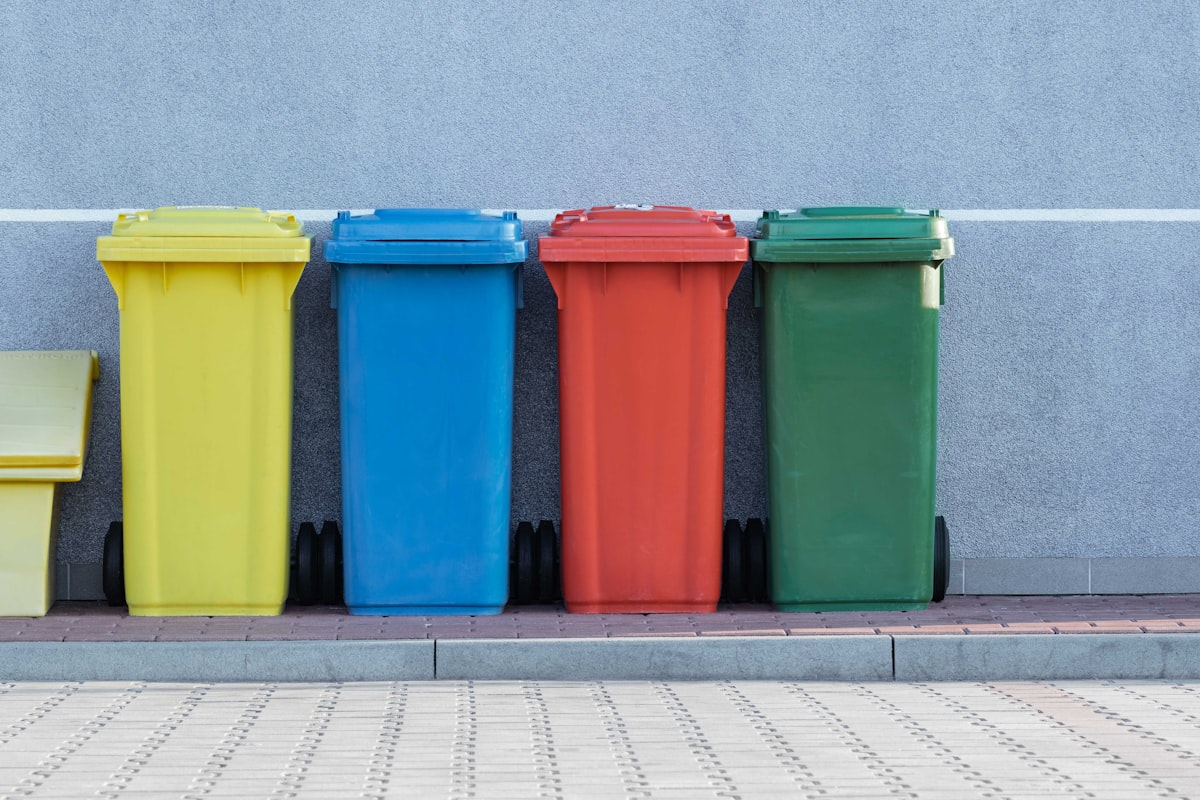
- Collect and sort waste by material type for easier recycling
- Print at the right scale — do not print larger than necessary
Conclusion
Eco-friendly 3D printing filaments have reached a tipping point in 2026. Recycled PETG from brands like Prusament and Refil matches virgin material in quality, bio-based PLA options are widely available, and truly biodegradable materials like PHA are becoming practical for everyday use.
The simplest step you can take today is switching to recycled PETG for functional parts and bio-based PLA for decorative prints. Combined with waste reduction practices and proper recycling, 3D printing can become significantly more sustainable without sacrificing print quality.