Similar Posts
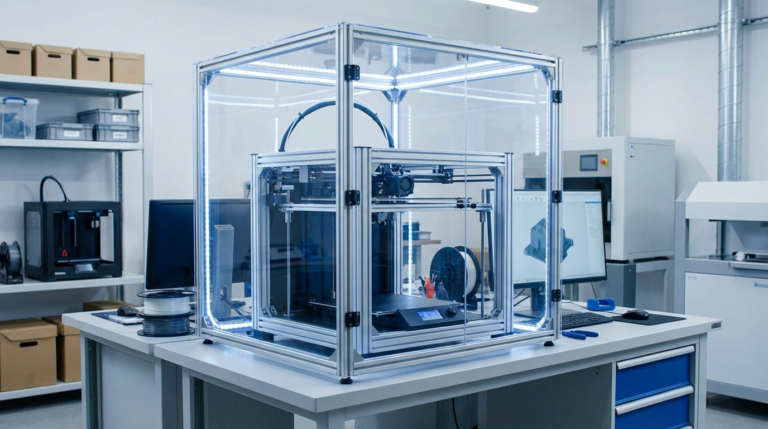
Best 3D Printer Enclosures: DIY Build and Buying Guide
If you’ve ever tried printing ABS without an enclosure, you already know the pain — warping corners, cracking layers, and that lovely chemical smell wafting through your workspace. An enclosure solves all three problems by maintaining a stable, warm environment around your printer. But building or buying the right enclosure isn’t as simple as tossing…
Klipper vs Marlin Firmware: Which Is Better for Your 3D Printer?
The Firmware Debate That Won’t Die If you spend any time in 3D printing forums, you’ve seen the Klipper vs. Marlin arguments. They get heated — sometimes literally, considering we’re talking about machines that melt plastic. Both firmwares control your printer’s movements, temperatures, and features, but they take fundamentally different approaches to the job. And…
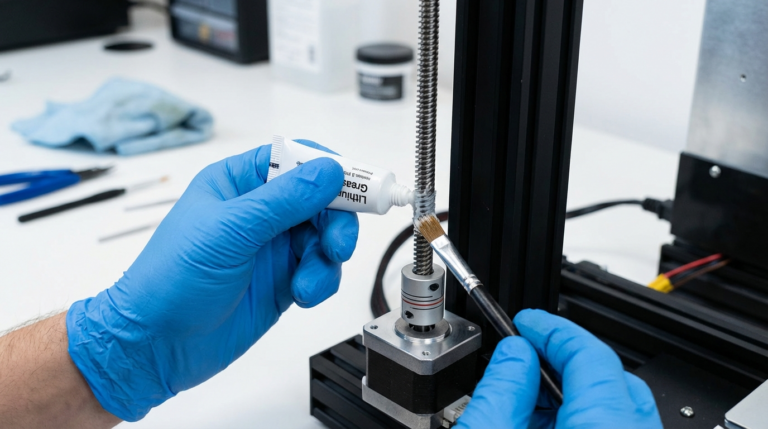
3D Printer Lead Screw Maintenance: Complete Cleaning and Lubrication Guide
Why Lead Screw Maintenance Matters Your 3D printer’s lead screws are some of the hardest-working components on the machine. Every layer, every print, they’re spinning and lifting the X-axis gantry (or lowering the bed) with sub-millimeter precision. But unlike belts or nozzles, lead screws rarely get attention until something goes wrong — and by then,…
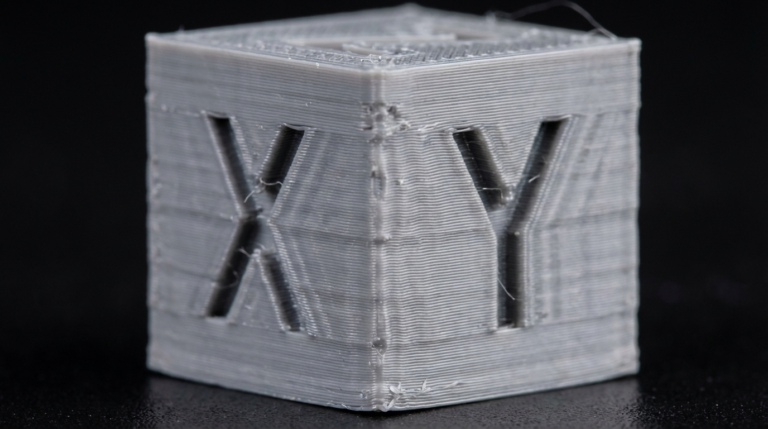
Best Print Speed for 3D Printer Quality: Real Settings That Work
Why Print Speed Matters More Than You Think I’ve been 3D printing for over seven years now, and if there’s one question I get asked more than any other, it’s this: “How fast can I print without ruining my parts?” It’s a fair question. Nobody wants to babysit a printer for 14 hours when the…
How to Reassemble a 3D Printer Hotend After Cleaning: Step-by-Step Guide
You pulled your hotend apart to clear a stubborn clog, swap a nozzle, or replace a worn heat break — and now you’re staring at a pile of small metal parts wondering if you’ll ever get clean extrusion again. Reassembling a 3D printer hotend isn’t complicated, but doing it wrong creates air gaps, filament leaks,…