Best 3D Printer Under $300 in 2026: Tested Picks for Every Beginner
What $300 Buys in a 3D Printer in 2026
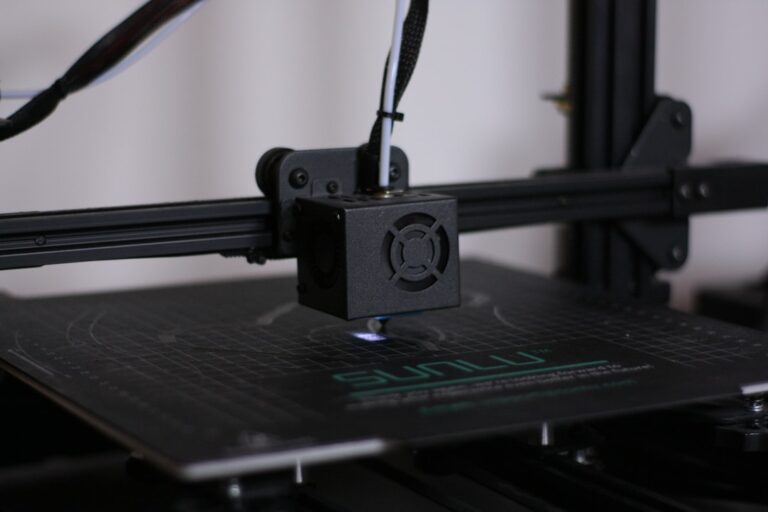
The sub-$300 3D printer market has been quietly transformed. Where you once chose between “the cheap Ender 3” and “wait and save more,” you now have four or five genuinely excellent machines — some with auto bed leveling, some with enclosed build chambers, and at least one with true CoreXY speed. This guide is a 2026 refresh of what every hobbyist needs to know before pressing “buy.”
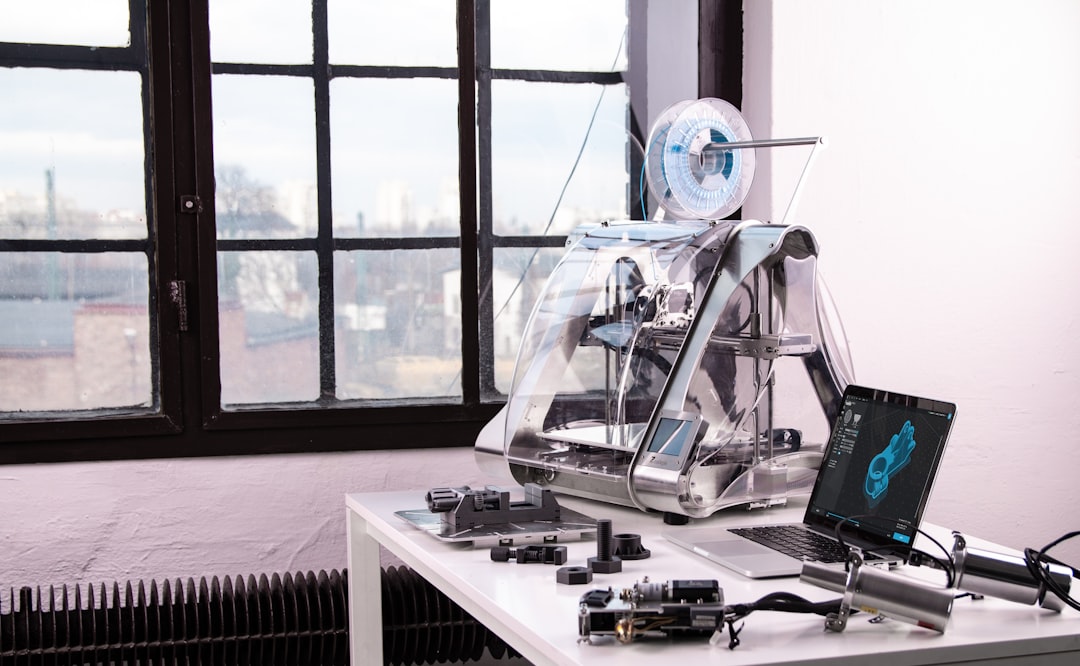
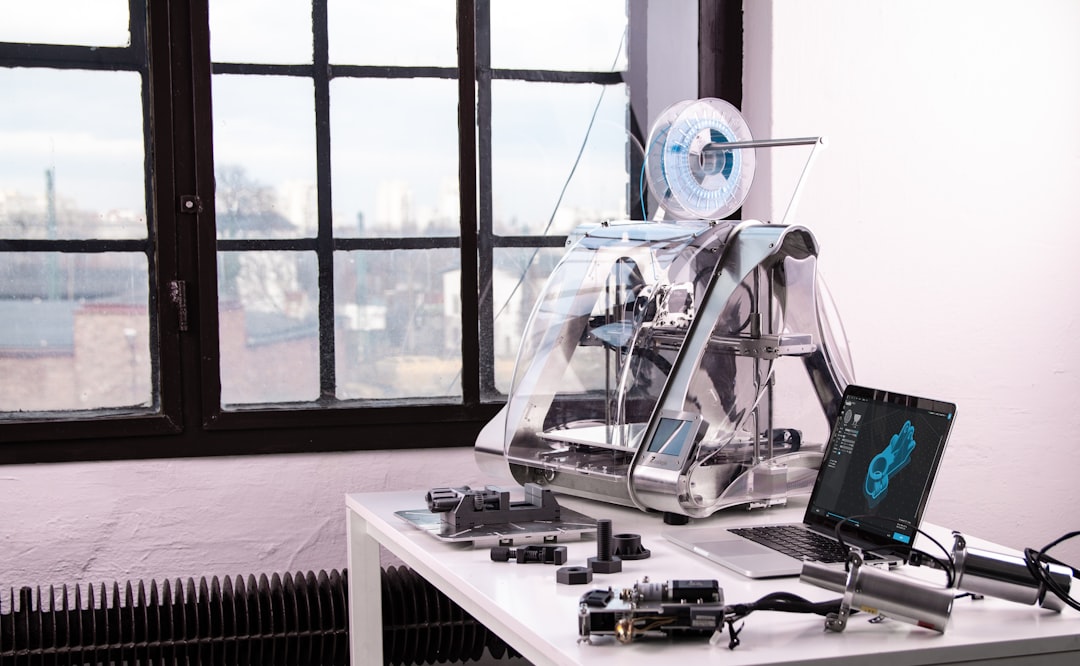
Top Picks at a Glance
- Best overall: Bambu Lab A1 Mini — $249 for a fully modern printer
- Best full-size: Creality Ender 3 V3 KE — $299 with Klipper firmware built-in
- Best for tinkerers: Sovol SV06 Plus — Linear rails and full metal hotend at $299
- Best CoreXY: Anycubic Kobra 3 — $279 on sale, proper CoreXY motion
- Budget pick: Elegoo Neptune 4 — $219, 250 mm/s real speed
Bambu Lab A1 Mini: The New Default
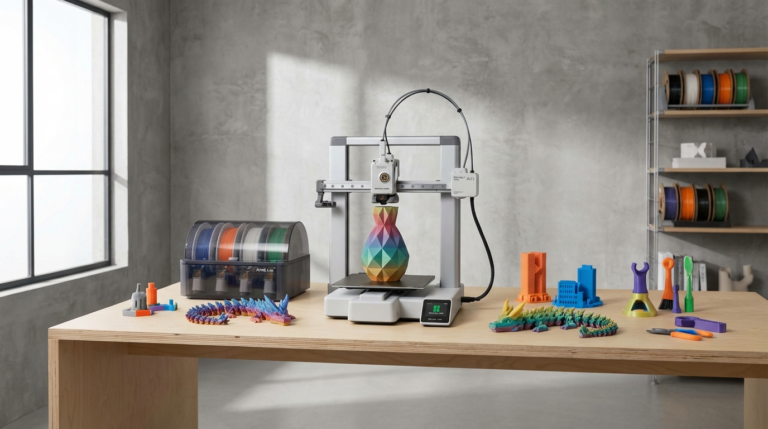
At $249 for the printer alone or $359 with AMS Lite for multi-color, the A1 Mini is the printer we recommend to anyone starting out in 2026. It is small — 180 x 180 x 180 mm build volume — but it is fully auto-calibrating, vibration-compensated, and runs Bambu Studio with slicer profiles that “just work.”
Pros: out-of-box printing, fast and quiet, full automation, excellent support. Cons: build volume limits large prints, ecosystem lock-in with proprietary firmware, some parts not yet user-replaceable.
Creality Ender 3 V3 KE: Budget Klipper Done Right
Creality’s Ender 3 line has been the reference cheap printer for nearly a decade. The V3 KE refreshes it with Klipper firmware, input shaping, auto bed leveling, and speeds up to 500 mm/s advertised (real-world 250-300 mm/s sustained). Build volume is 220 x 220 x 240 mm.
Pros: large ecosystem of mods, Klipper out of box, active community. Cons: bed slinger design limits top speed, direct drive extruder needs occasional tuning.
Sovol SV06 Plus: Linear Rails on a Budget
Sovol surprised the community by shipping a printer with linear rails on the X and Y axes at this price point. The build volume is 300 x 300 x 340 mm — the largest in our roundup. The all-metal direct drive hotend handles PETG, TPU, and even cautious ABS attempts.
Pros: big volume, premium motion system, all-metal hotend. Cons: setup is less polished than Bambu or Creality’s V3, requires some tuning out of box.
Anycubic Kobra 3: CoreXY Under $300 (On Sale)
The Kobra 3 is a CoreXY printer — meaning the print bed moves only in Z, while the toolhead moves in X and Y. This allows higher real-world speeds and better print quality on tall, thin prints. MSRP is $399, but Anycubic runs sales to $279 frequently.
Pros: true CoreXY motion, 250 x 250 x 260 mm build, excellent print quality at speed. Cons: proprietary slicer, bed leveling has occasional quirks.
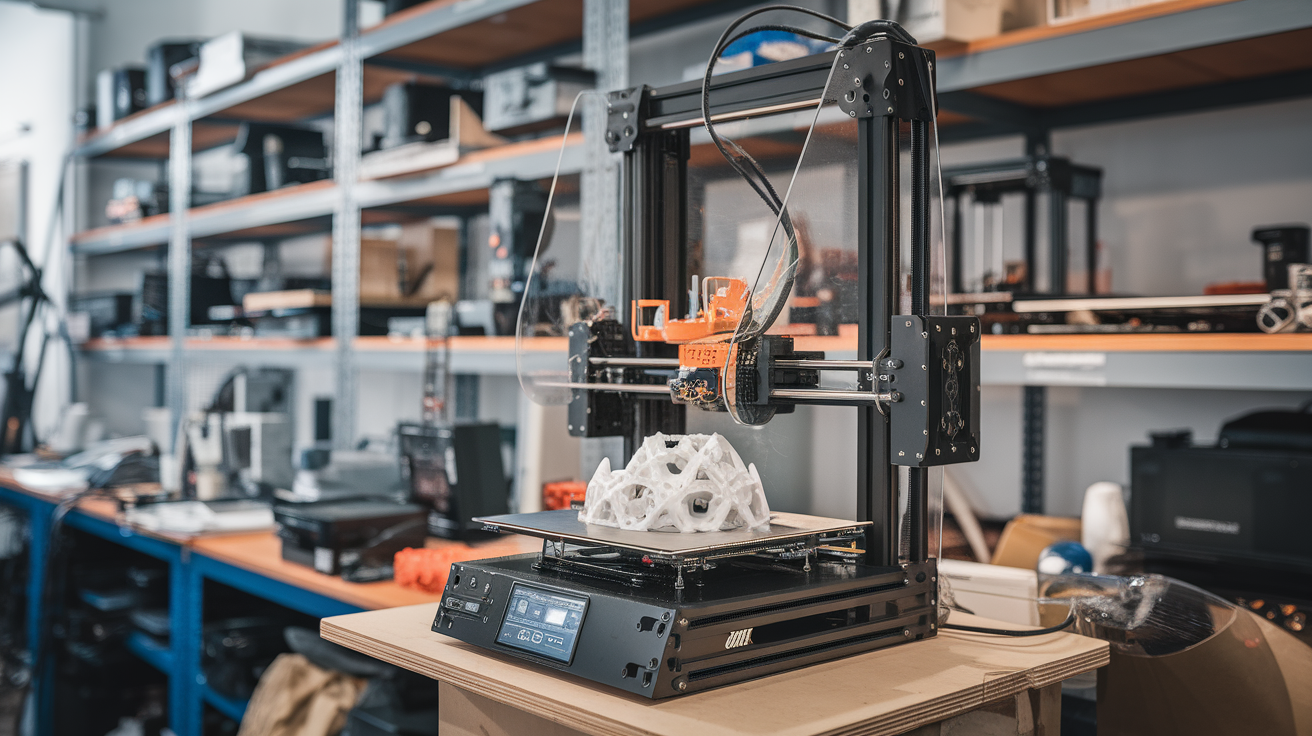
Elegoo Neptune 4: The True Budget Winner
At $219 MSRP and frequently discounted further, the Neptune 4 is the cheapest real 3D printer we recommend. It ships with Klipper firmware, dual-gear direct drive extruder, and a 225 x 225 x 265 mm build volume. Print quality is surprisingly excellent at 250 mm/s.
Pros: price, Klipper, dual-gear extruder. Cons: auto leveling is only adequate, build plate is textured PEI-coated spring steel but thinner than premium brands.
What to Avoid
Skip any printer with a proprietary Marlin build and no upgrade path. Skip printers without auto bed leveling unless you are a patient tinkerer. Avoid no-name Amazon brands that promise “professional” features at $150; the support and part availability is usually nonexistent.
Features That Actually Matter in 2026
- Auto bed leveling: Saves hours of frustration. Essential for beginners.
- Direct drive extruder: Better for TPU and flexible filaments.
- Input shaping / Klipper firmware: Enables real speed without ringing.
- Removable flex plate: PEI-coated spring steel is now standard.
- Spare parts availability: Check whether hotends, nozzles, and belts are replaceable.
Where to Buy
For each of these printers, buy direct from the manufacturer (bambulab.com, creality.com, sovol3d.com, anycubic.com, elegoo.com) or Amazon. Avoid third-party Amazon sellers and AliExpress clones without clear warranty coverage.
Printing Costs After You Buy
A typical 1 kg spool of PLA costs $20-25. At a typical 20 g per print for small items, that is hundreds of prints per spool. Budget $100 for starter filament, a set of spare nozzles ($10), glue stick ($3), and isopropyl alcohol for bed cleaning ($5). Total entry into the hobby: ~$400.
Final Verdict
If you have $300 to spend on your first 3D printer in 2026, our top pick is the Bambu Lab A1 Mini if build volume is not a concern, or the Creality Ender 3 V3 KE if you need a larger bed. Either choice is a dramatic improvement over the budget printers of just two years ago, and both will reliably produce parts that match machines costing twice as much just a few years back. Welcome to one of the best moments in the history of hobby 3D printing.