Best PLA Filament Brands for Miniatures vs Functional Parts in 2026
The Same Brand Performs Differently in Different Jobs
The most common PLA brand-ranking guides online treat PLA as one material with one set of quality criteria — colour consistency, diameter tolerance, surface finish, layer adhesion. The ranking that emerges is roughly the same across every guide: Prusament at the top, Polymaker close behind, Sunlu and Esun mid-tier, generic Chinese imports at the bottom. This ranking is correct as far as it goes but obscures a more practical truth: the same brand performs differently depending on what you are printing. A PLA that gives crisp 0.1 mm miniature detail can be the wrong PLA for a functional bracket that needs to survive a year of mechanical load, and vice versa.
This guide separates PLA brand picks by use case rather than by overall ranking. The two use cases that matter most for 2026 desktop printing are detailed miniatures (28-32 mm scale figures, terrain, model kit accessories) and functional parts (brackets, tools, jigs, replacement parts). The brand characteristics that matter for each are different enough that the right answer to “what PLA should I buy” depends on what you are printing.
What Miniatures Need From a PLA Brand
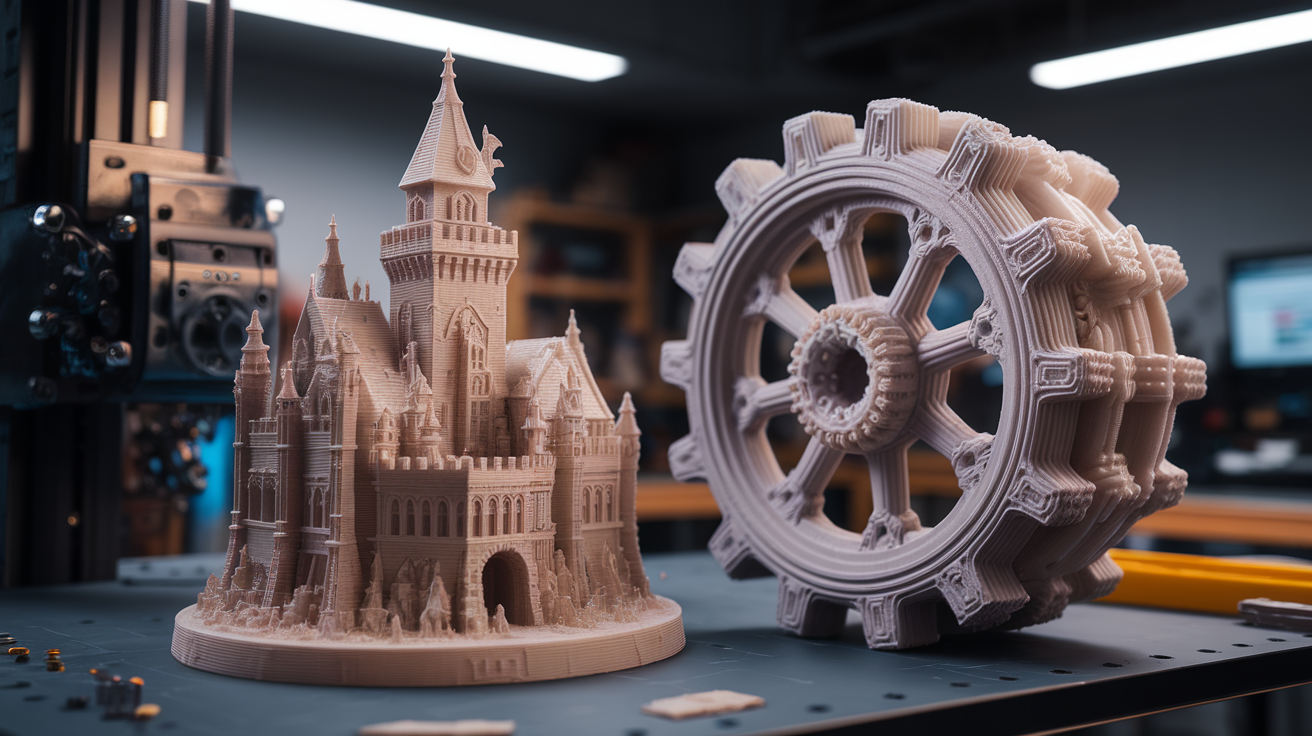
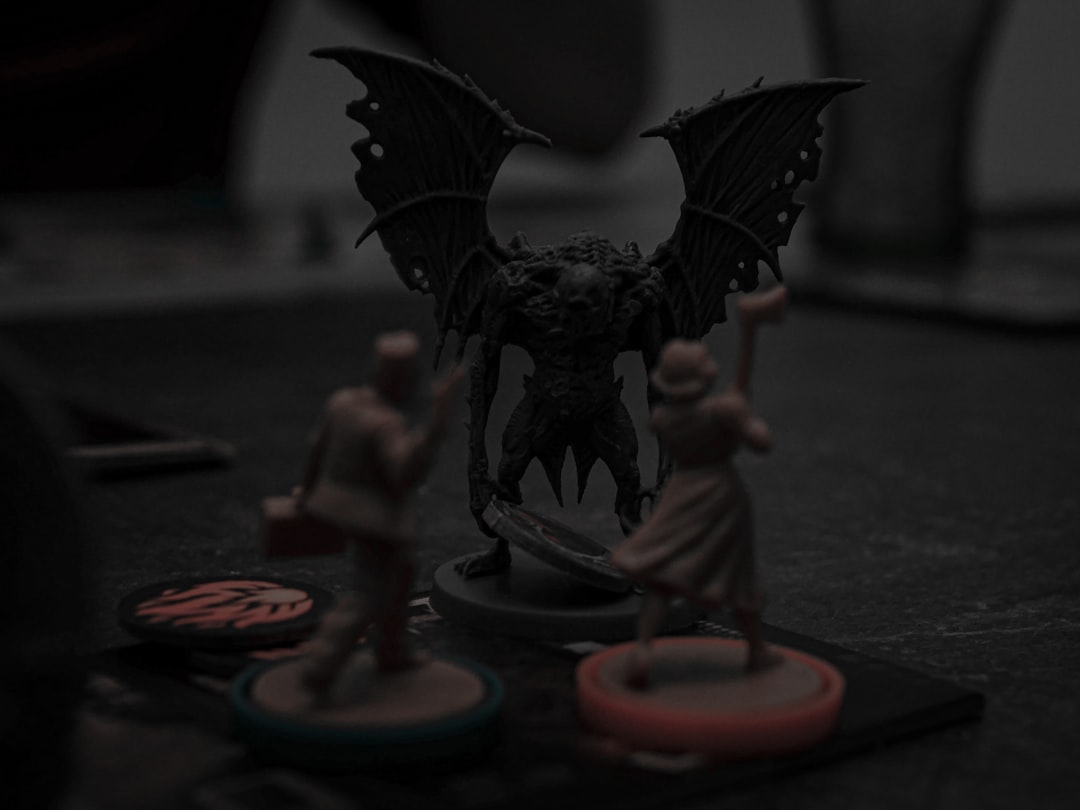
Miniature printing on FDM stresses the parts of PLA that bulk printing does not. The print is small (often under 50 mm tall), the features are fine (sword blades at 0.4-0.8 mm thickness, facial details at 0.2-0.3 mm relief), and the visual goal is sharp, detailed surface that takes paint cleanly. The brand characteristics that drive miniature print quality are diameter consistency (variation under 0.02 mm across a spool), colour saturation (so paint primer covers in a single coat), and the absence of micro-voids in the extruded filament (which show up as visible pits on small features).
Diameter consistency matters because miniature prints use thin extrusion widths (0.3-0.4 mm at 0.2 mm layer height) where a 0.05 mm filament diameter swing translates directly into visible width changes on the surface. Premium brands like Prusament, Polymaker PolyLite, and Atomic Filament hit ±0.02 mm consistency reliably. Budget brands often run at ±0.04 to ±0.05 mm, which produces subtle banding on miniature surfaces that becomes obvious after primer goes on.
Colour saturation matters less than people assume. Most miniatures get primed and painted, so the base PLA colour rarely shows on the finished piece. The exception is unpainted miniatures intended as quick game tokens, where a saturated, even base colour reduces the need for paint at all. For unpainted use, brands with strong pigmentation (Polymaker, Hatchbox, MatterHackers Build Series) produce the cleanest results.
Micro-void absence is the under-discussed third axis. Cheap PLA often contains small unmelted regions in the filament from inconsistent compounding, which become visible pits in the extruded print. On a large functional part the pits are invisible; on a miniature face they show up as imperfections after primer. The brands that consistently produce void-free filament are Prusament, Polymaker PolyTerra, and Atomic. Several budget brands produce occasional voids that show up as random surface defects on small features.
Top PLA Brand Picks for Miniatures
The clear winner for miniature FDM printing in 2026 is Polymaker PolyTerra PLA. The diameter consistency is excellent, the matte surface finish hides minor layer lines, and the colour range is wide enough to support both unpainted and painted workflows. The matte finish is the key advantage — PolyTerra’s matte surface diffuses light, which reads as more detailed than glossy PLA at the same actual feature resolution. PolyTerra at $25 per kg is a meaningful premium over budget PLA but still cheaper than Prusament.
Prusament PLA is the second pick and the right choice when colour fidelity matters more than matte finish. Prusament’s glossy surface picks up more visible layer lines but accepts paint better than matte surfaces — the smoother base layer reduces the number of primer coats needed to achieve full coverage. For painted miniatures that will go through five-plus paint layers, Prusament is the right pick despite the higher price.
Atomic Filament PLA Plus is the underdog third pick. The diameter consistency is excellent, the colour range is more limited than the two leaders, and the price falls between Polymaker PolyTerra and Prusament. Atomic’s main advantage is layer adhesion at the thin extrusion widths miniature printing requires — small details print with cleaner sharp edges on Atomic than on most budget alternatives.
What Functional Parts Need From a PLA Brand
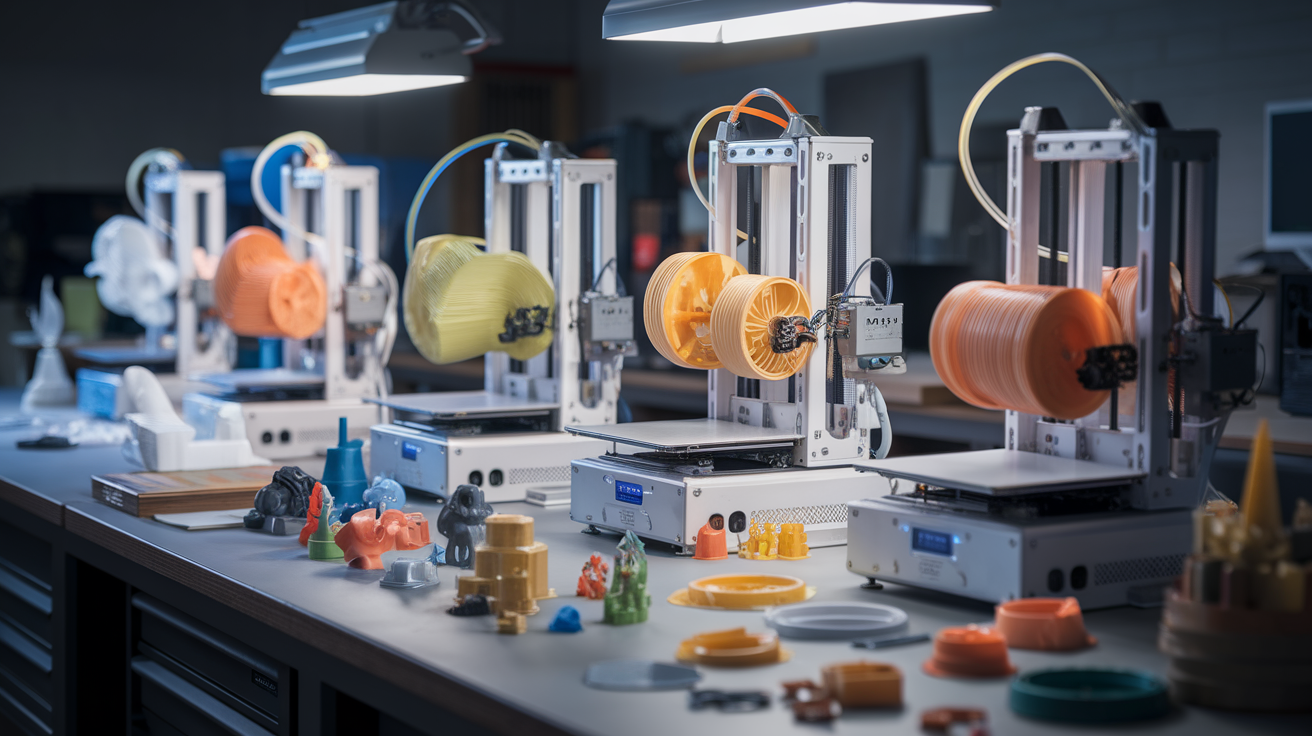
Functional PLA — brackets, tool handles, replacement parts for household and shop items — stresses different characteristics. The print is larger (often 100-300 mm in some dimension), the features are coarser (3-8 mm wall thicknesses), the visual goal is irrelevant except for the absence of obvious defects, and the load on the finished part is mechanical (impact, sustained tension, fatigue). The brand characteristics that drive functional part durability are layer adhesion strength, impact resistance, and dimensional stability under load over time.
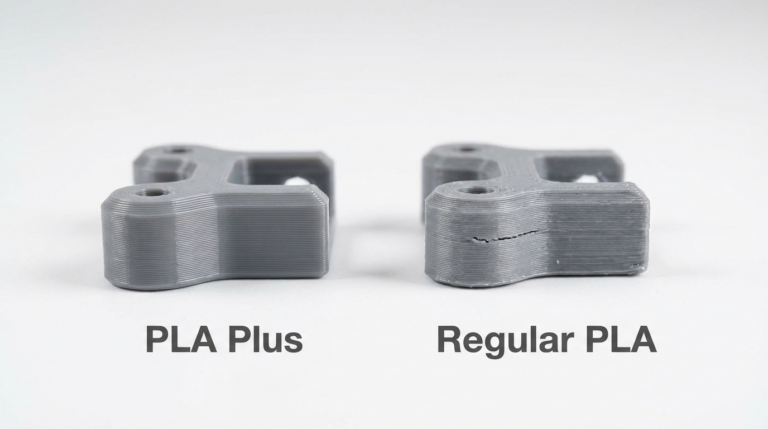
Layer adhesion strength matters because functional parts fail at layer lines under impact and fatigue. Standard PLA delaminates under shock more easily than PETG or ASA, but premium PLA brands have addressed this with PLA Plus and PLA Pro formulations that include impact modifiers — typically thermoplastic elastomers added at 5-15 percent. The impact-modified variants survive drops, sustained vibration, and repeated bending that standard PLA does not.
Impact resistance is the most variable property across brands. Standard Prusament PLA has good but not exceptional impact resistance. Prusament PLA Tough has dramatically better impact resistance but at a colour-range cost. Esun PLA Plus and MatterHackers Tough PLA both offer impact-modified PLA at moderate price premiums. The brand-versus-formulation distinction matters: Esun standard PLA underperforms Polymaker standard PLA for functional use, but Esun PLA Plus outperforms Polymaker PolyLite (non-Plus) for the same use.
Dimensional stability matters for parts that need to maintain tolerance over months or years. PLA creeps under sustained load at room temperature and creeps badly above 50 C. Brands with higher annealing-capable formulations (Polymaker PolyMax, Prusament PLA Tough) hold tolerance significantly better than standard PLA on shelf-stable applications. For load-bearing parts intended for multi-year service, the upgrade to a high-stability PLA grade is worthwhile.
Top PLA Brand Picks for Functional Parts
For impact-loaded functional parts, the right pick in 2026 is Prusament PLA Tough or Polymaker PolyMax PLA. Both formulations include impact modifiers, both hold dimensional tolerance well over months of room-temperature service, and both survive the drop tests that standard PLA fails. Pricing runs $30-40 per kg, which is a 50-100 percent premium over standard PLA but is justified for parts where failure has real consequences.
For shelf-stable functional parts where impact load is moderate, standard Polymaker PolyLite or Prusament PLA is acceptable and saves money. The trade is reduced safety margin on unexpected impacts; the standard PLA print will survive normal use but may crack from a drop that the Tough variant would survive.
For high-volume functional production where cost matters and replacement is acceptable, Esun PLA Plus is the right pick. The impact resistance is meaningfully better than Esun standard PLA, the price is roughly half of the premium brands, and the diameter consistency is acceptable for parts where the visual finish is secondary to function. For workshops producing 50+ replacement parts a month, the Esun PLA Plus tier is the practical pick.
Why Bargain PLA Fails Differently in Each Use Case
Generic budget PLA (typically $12-15 per kg from import-direct vendors) fails miniature printing through diameter variation and surface defects. The prints come out usable but require more sanding, more primer coats, and produce more rejected pieces from random surface flaws. The cost saving is real but the labour cost of additional finishing usually erases the savings on detail-critical work.
The same bargain PLA fails functional printing through inconsistent layer adhesion and unpredictable impact behaviour. Two identical functional parts printed from the same bargain spool can have different impact resistance because the impact modifier distribution is uneven. For one-off functional prints where reprinting is acceptable, bargain PLA is fine. For functional parts that need to be reliable on first print, bargain PLA is the wrong choice regardless of the cost savings.
Recommendations Summary
The summary recommendation is straightforward but worth stating directly. Miniaturists who paint extensively should buy Polymaker PolyTerra for the matte surface and Prusament for the colour fidelity, sticking to standard formulations. Functional makers should buy Prusament PLA Tough or Polymaker PolyMax for load-bearing parts and Esun PLA Plus for high-volume non-critical production. Bargain PLA earns a place only for prototypes and learning prints where failure is part of the workflow.
The single most expensive mistake in 2026 PLA buying is over-spending on premium PLA for functional parts (where a mid-tier impact-modified PLA performs better than premium standard PLA) or under-spending on miniature PLA (where the labour cost of finishing bad PLA exceeds the price difference). Matching the brand and formulation to the use case is more important than ranking-table position alone.
Storage and Handling Effects on PLA Print Quality
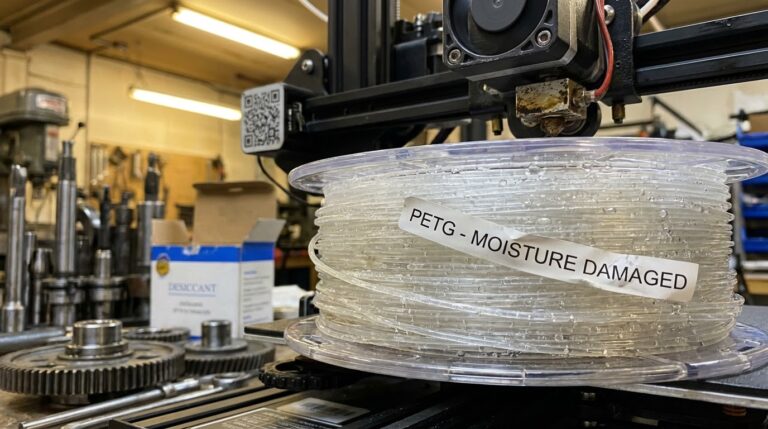
The PLA brand decision matters most when the filament is fresh and properly stored, and matters less than people assume once the spool has been sitting in an open garage for six months. PLA absorbs moisture more slowly than nylon or PETG but the absorption is real, and a moisture-saturated spool of premium Prusament prints worse than a fresh spool of mid-tier Sunlu. For miniature work this shows up as surface popping and visible micro-pitting on small details; for functional work it shows up as reduced layer adhesion and increased variance in impact resistance from print to print.
The practical implication is that the right PLA brand picks above assume the filament is dried before printing and stored in a sealed container with desiccant between uses. A filament dryer running 2-3 hours at 45-50 C before each print restores most of the original print quality on any PLA that has been opened for more than a month. For shops that cannot maintain a clean dry storage routine, the marginal print-quality difference between premium and mid-tier PLA disappears within weeks of opening either spool, and the cost-per-print on premium PLA becomes harder to justify against the actual quality being delivered after storage compromise.