Recycled 3D Printer Filament: Is It Worth It? Complete Guide
The Growing World of Recycled 3D Printer Filament
Every year, the 3D printing community generates tons of plastic waste — failed prints, support structures, purge towers, calibration cubes nobody needs. Meanwhile, the world is drowning in plastic. Recycled filament sits right at the intersection of these two problems, and the technology has matured enough that it’s worth taking seriously.
In this guide, I’ll cover the current state of recycled filament, whether it’s worth buying or making, what the quality is actually like, and how you can start reducing your 3D printing waste footprint without sacrificing print quality.
Types of Recycled Filament
Not all recycled filament is created equal. The source material and processing method make a huge difference in quality:
Post-Industrial Recycled (PIR)
Made from manufacturing scrap — the runners, sprues, and trimmings from injection molding operations. This is the highest quality recycled filament because the source material is clean, sorted, and of known composition. Brands like Prusament and Fillamentum offer PIR options that are virtually indistinguishable from virgin filament.
Post-Consumer Recycled (PCR)
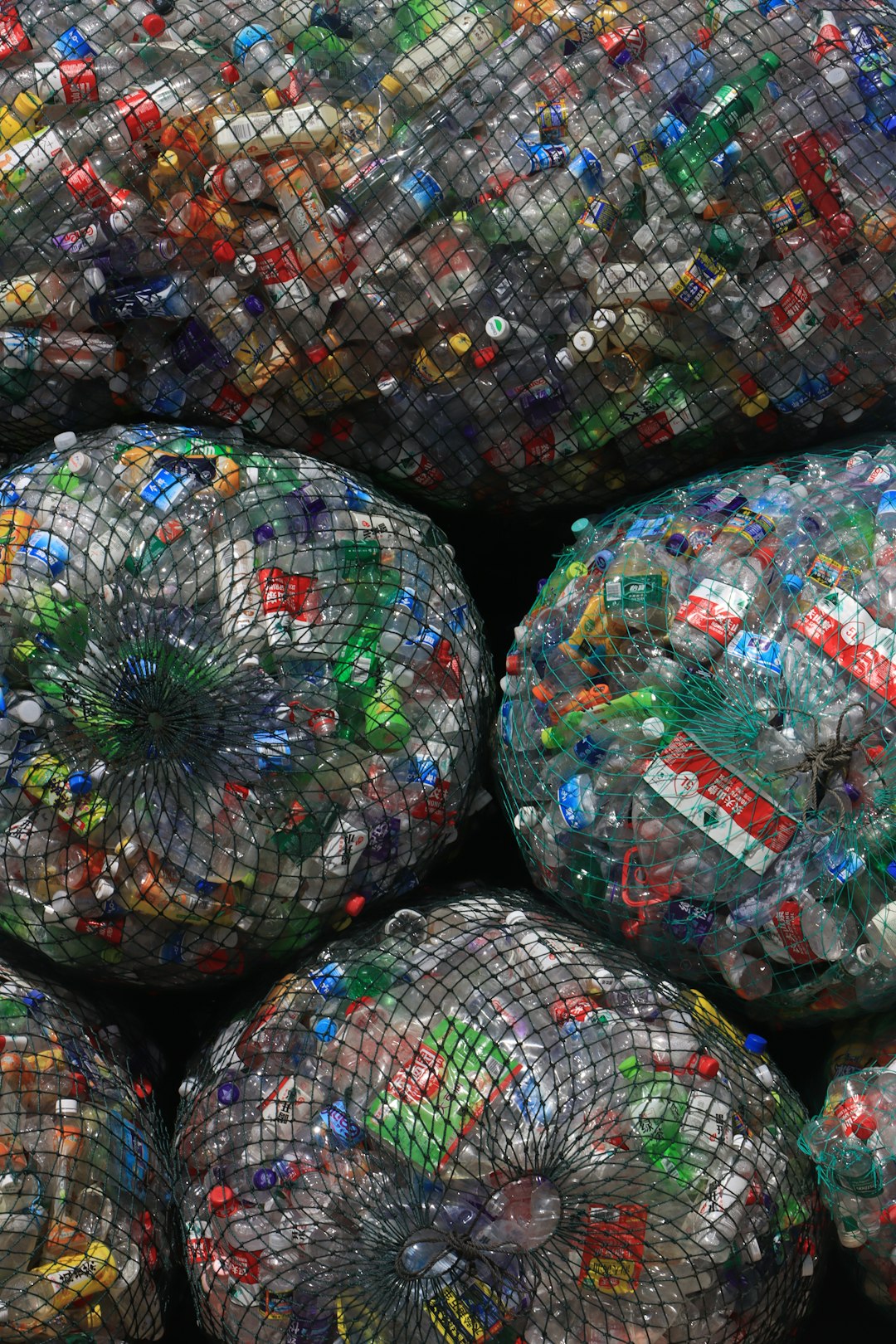
Made from used consumer products — water bottles (rPETG), food containers, and packaging. Quality varies more because the source material has been exposed to UV, chemicals, and contamination. Brands like Refil and GreenGate3D specialize in this category.
Closed-Loop / Regrind
Made from your own failed prints and waste. This requires a filament extruder (like the Felfil or Artme Maker) and a grinder/shredder. The quality depends entirely on your process and how clean you keep your material stream.
Is Recycled Filament Any Good?
The honest answer: it depends on the source and manufacturer. Here’s what I’ve found after testing numerous recycled filaments:
High-quality recycled (PIR): Essentially identical to virgin filament in print quality, dimensional tolerance, and mechanical properties. If nobody told you it was recycled, you wouldn’t know. Prusament’s recycled PETG is a perfect example.
Mid-quality recycled (good PCR): Slightly more variation in diameter consistency (±0.05mm vs ±0.02mm for premium virgin). Occasional color inconsistency if you’re particular about that. Mechanical properties within 90-95% of virgin. Perfectly usable for functional parts.
Low-quality recycled (poor PCR or DIY): Noticeable diameter variation, potential contaminants, inconsistent melting behavior. Fine for non-critical prototyping and draft prints, but I wouldn’t use it for functional parts.
Best Recycled Filament Brands
Several manufacturers have built solid reputations in the recycled filament space:
- Prusament rPETG: Made from recycled PET bottles. Excellent quality, tight tolerances. About $25/kg — comparable to virgin PETG from other brands
- Refil (Netherlands): PLA from PLA waste, PETG from bottles, ABS from car dashboards. Good quality, fair pricing
- Closed Loop Plastics: rPETG and rABS from e-waste. Consistent quality with interesting material backstories
- Filamentive: UK-based, uses recycled PLA. Carbon-negative manufacturing process
- 3D Fuel: Several recycled and bio-based options with good quality
Making Your Own Recycled Filament
If you want to close the loop completely, you can turn your own waste into filament. Here’s what you need:
The Shredder
First, you need to reduce your failed prints to small pieces. Options range from manual metal shredders (~$50) to purpose-built plastic shredders like the Precious Plastic design (~$300-500 DIY) or the Shredder Buddy ($200-300). The pieces need to be roughly 5-10mm for most filament extruders.
The Extruder
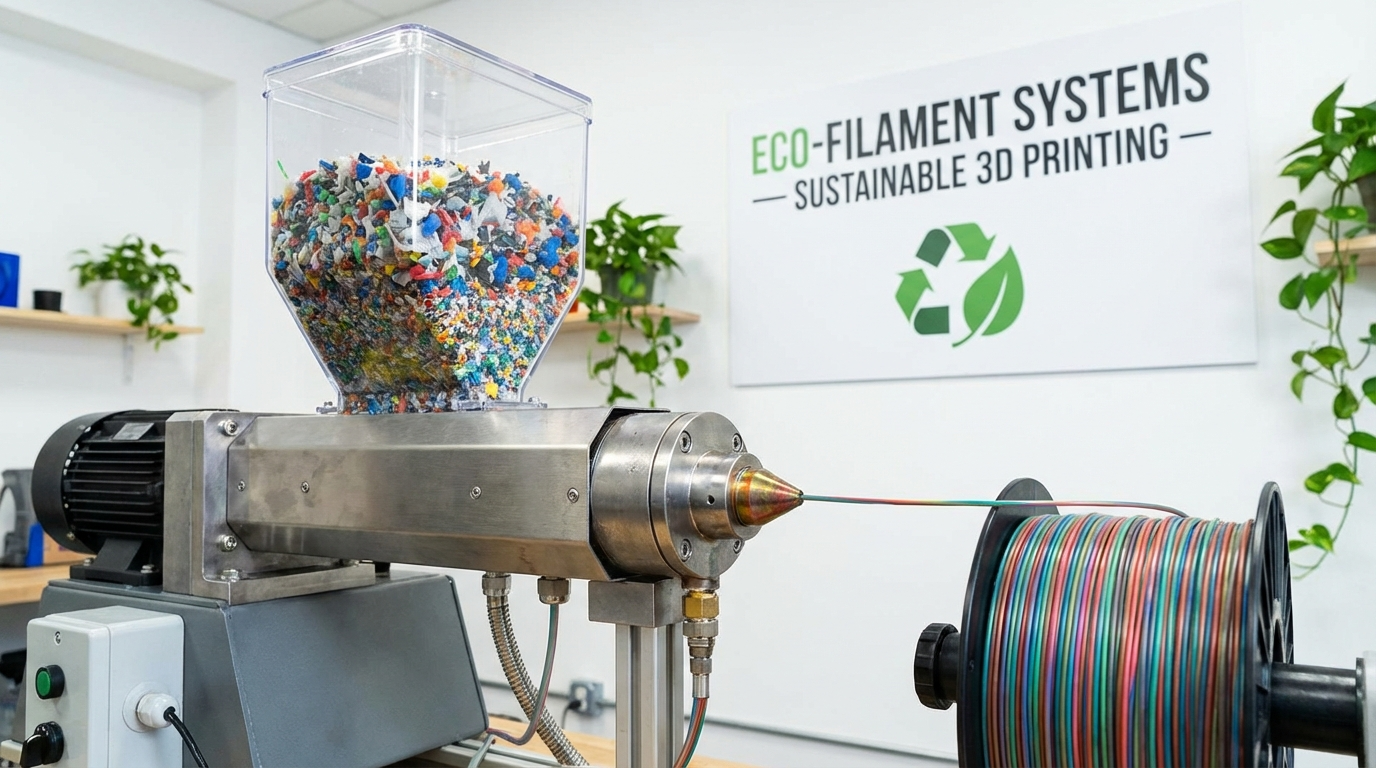
A filament extruder melts your shredded plastic and pushes it through a die to create filament. Popular options include:
- Felfil Evo ($700-800): The most popular consumer option. Produces decent 1.75mm filament with practice. Single-screw design
- Artme Maker ($500-600): Good entry-level option with temperature control
- 3devo Composer ($10,000+): Professional-grade, excellent filament quality. Way overkill for hobby use
- DIY options: Various open-source designs using repurposed hardware. Budget-friendly but require significant tinkering
The Winder
You need a winder to spool the filament as it exits the extruder. Many extruders include one, but standalone winders with automatic diameter sensing (like the 3devo Winder) produce better results.
Challenges of DIY Filament Recycling
Before you rush out and buy a shredder, here are the real-world challenges you’ll face:
- Material sorting is critical. You can’t mix PLA and PETG — they melt at different temperatures and are chemically incompatible. Even different brands of the same material can behave differently. Rigorous sorting is essential
- Contamination is your enemy. Dust, skin oils, adhesion aids (glue stick, hairspray residue), and other contaminants cause clogs and inconsistency. Clean your material before processing
- Diameter consistency is hard. Maintaining ±0.05mm diameter tolerance requires careful temperature control, consistent feed rate, and proper cooling. Consumer extruders struggle with this without significant tuning
- Color mixing is unpredictable. Combining different colored scraps produces muddy, unpredictable colors. Many recyclers just make everything black by adding masterbatch
- Material degradation. Each time plastic is melted and re-solidified, the polymer chains break down slightly. After 3-4 cycles, mechanical properties degrade noticeably. Mix in at least 30-50% virgin material to maintain quality
Printing with Recycled Filament: Tips
Whether you’re using commercial recycled filament or your own regrind, these tips will help you get the best results:
- Dry it first. Recycled filament tends to be more hygroscopic than virgin due to increased surface area from processing. Always dry before use
- Slow down. If you’re getting inconsistent extrusion, reducing print speed by 10-20% can help compensate for diameter variation
- Bump up the temperature. Recycled material sometimes benefits from 5-10°C higher printing temperatures. The polymer chains are shorter, so they need slightly more heat to flow properly
- Use a larger nozzle. A 0.6mm nozzle is more forgiving of small contaminants and diameter variation than a 0.4mm. If you’re printing with DIY filament, consider even larger
- Adjust flow rate. With less consistent diameter, you may need to fine-tune flow rate more often. Some makers use an inline filament diameter sensor to automatically compensate
- Calibrate per spool. Don’t assume all recycled spools print the same. Quick temperature and flow calibration for each spool takes a few minutes and saves hours of frustration
The Environmental Calculation
Is recycled filament actually better for the environment? Mostly yes, but the picture is nuanced:
The case for recycled filament:
- Reduces virgin plastic production and associated CO2 emissions
- Diverts plastic from landfills and oceans
- Lower energy requirements than virgin production (for PIR especially)
- Creates economic incentive for plastic recovery
The caveats:
- Shipping recycled filament across continents can offset the environmental benefit
- DIY recycling has energy costs (shredding, extruding, cooling)
- If recycled filament produces more failed prints due to lower quality, the net benefit shrinks
- Some “recycled” labels are greenwashing — verify the manufacturer’s claims
The biggest environmental impact you can have as a 3D printing hobbyist isn’t buying recycled filament — it’s reducing waste in the first place. Optimize your designs, use less support material, and get your first-layer settings dialed in so you fail less often.
The Future of Recycled Filament
The recycled filament market is growing fast. Several trends are promising:
- Better sorting technology (NIR sorting, density separation) is making PCR filament more consistent
- Community recycling initiatives are springing up at makerspaces and schools
- Filament take-back programs from manufacturers are becoming more common
- Consumer extruders are improving in quality and dropping in price
- Material science advances are finding ways to restore degraded polymers during recycling
Getting Started
If you want to start with recycled filament, my recommendation is simple: buy a quality commercial recycled spool first. Try Prusament rPETG or Refil rPLA. See how it prints compared to what you’re used to. If the quality works for you, commit to buying recycled for your non-critical prints.
If you catch the recycling bug and want to make your own, start small. Get a manual shredder and a basic extruder, and experiment with clean, sorted waste from your own printer. Don’t expect perfection immediately — it’s a learning curve, but a rewarding one.