Similar Posts
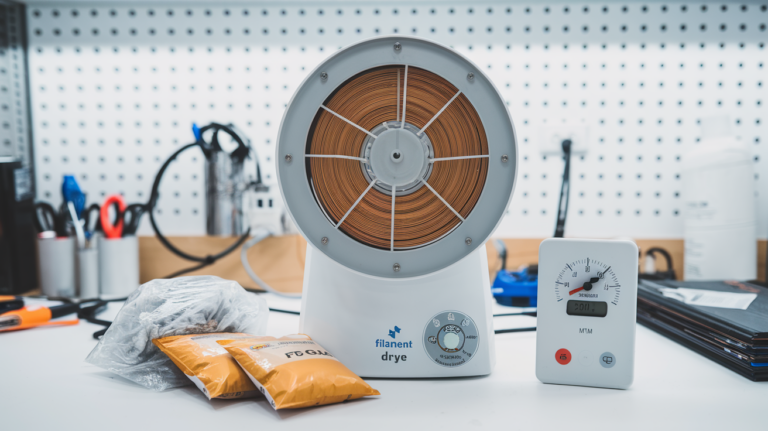
How to Dry Filament for 3D Printing
Wet filament is the silent killer of print quality. You can have a perfectly tuned printer, ideal slicer settings, a spotless bed — and still get rough, bubbly, stringy prints because your filament soaked up moisture from the air while sitting on a shelf. It took me an embarrassingly long time to figure this out….
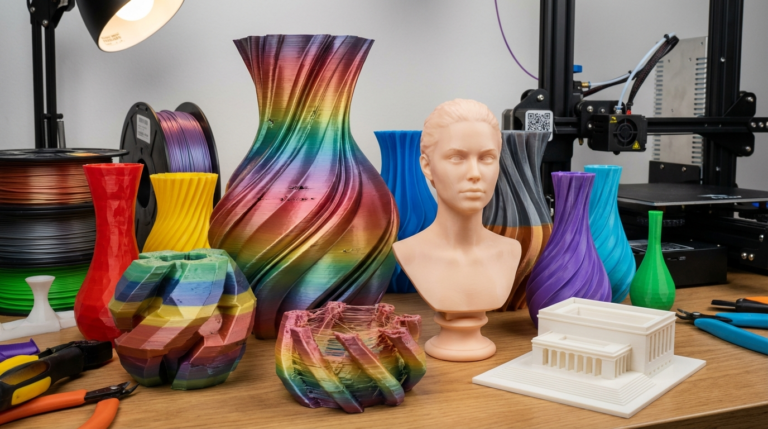
How to Use Vase Mode (Spiral Outer Contour) in 3D Printing
Vase mode — sometimes called “spiral outer contour” in PrusaSlicer, “spiralize outer contour” in Cura, or “spiral vase” in OrcaSlicer — is one of the most underappreciated features in any slicer software. It produces single-wall prints with no visible layer seam, no infill, and no top layers. The nozzle traces a continuous spiral from bottom…
Best AI Tools for 3D Printing in 2026: Text-to-3D, Image-to-3D, and AI Slicers
AI Is Changing How We Create 3D Models Text-to-3D and image-to-3D tools have gone from academic curiosities to genuinely useful creative tools in 2026. You can now describe an object in plain English — or snap a photo of one — and get a printable 3D model in under a minute. The quality is not…
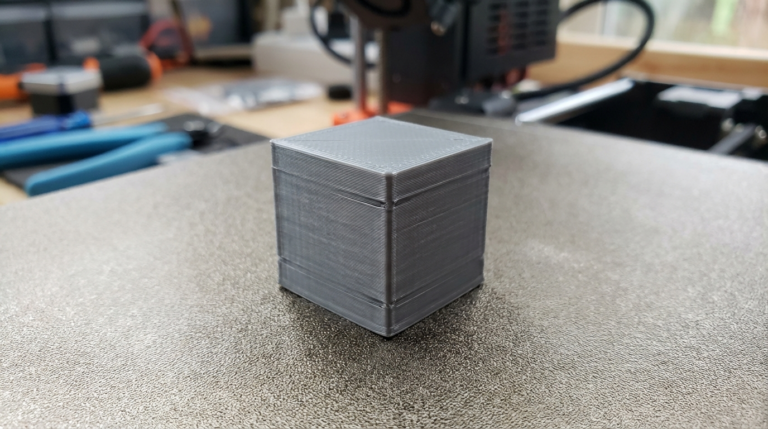
Pressure Advance and Linear Advance: Complete Tuning Guide for 3D Printers
What Are Pressure Advance and Linear Advance? If you’ve ever noticed bulging corners, inconsistent line widths during speed changes, or blobby starts and stops on your prints, the culprit is often filament pressure dynamics inside your hotend. Pressure Advance (Klipper) and Linear Advance (Marlin) are firmware features designed to compensate for this by predicting and…
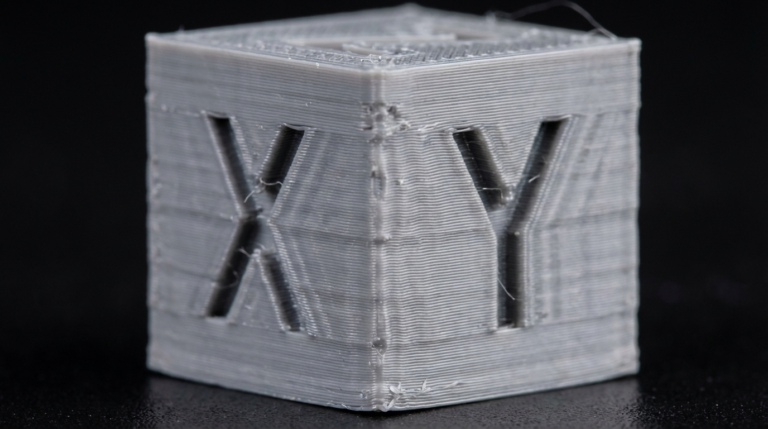
3D Printed Drone Parts: Best Materials, Settings, and Design Guide
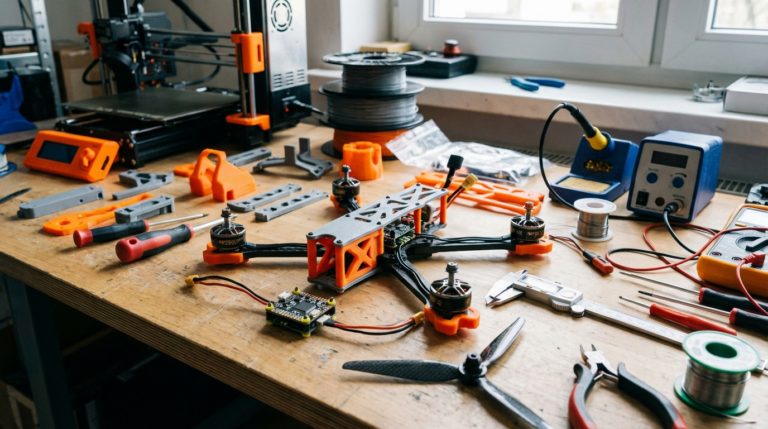
Why 3D Print Drone Parts? Custom drone frames cost $50–$200 for carbon fiber plates cut to someone else’s design. A 3D-printed drone frame costs $2–$5 in filament and can be redesigned in an afternoon. For racing quads, freestyle builds, and experimental configurations, 3D printing lets you iterate on frame designs faster than any other manufacturing…