Similar Posts
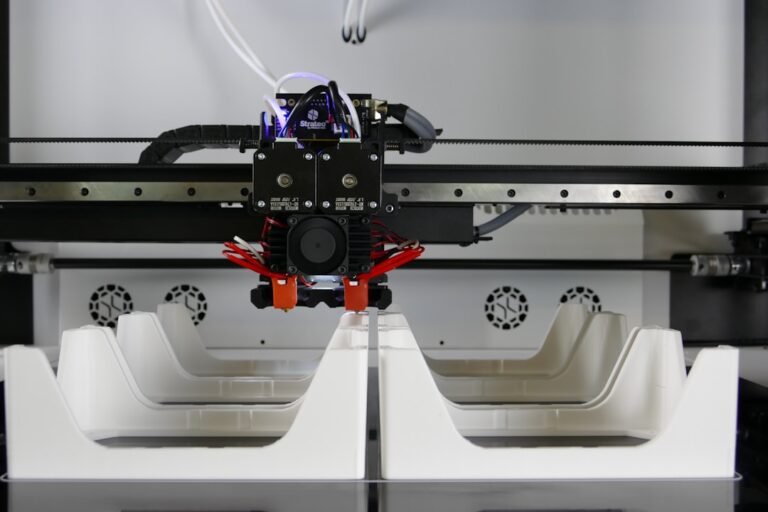
Best Print Speed for 3D Printer Quality: The Complete Guide
Why Print Speed Matters More Than You Think Every 3D printing enthusiast eventually faces the same dilemma: do you crank up the speed and finish prints faster, or slow things down for better quality? The truth is, finding the best print speed for your 3D printer isn’t about picking one magic number — it’s about…
Bambu Lab X1 Carbon Best Settings and Tips for 2026
The Bambu Lab X1 Carbon has been the benchmark for high-speed, multi-material FDM printing since its launch, and heading into 2026, it remains one of the most capable machines in its price range. But out of the box, there’s room for improvement. The default profiles in Bambu Studio work fine for basic prints, but knowing…
Best Settings for 3D Printing Miniatures on FDM Printers
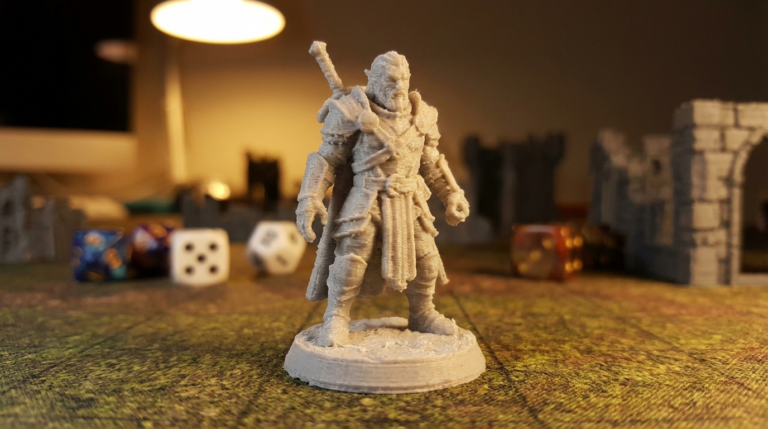
Why FDM Miniatures Are Challenging Printing miniatures on an FDM 3D printer is one of the most demanding tasks you can throw at a filament-based machine. You’re asking a technology designed for functional parts and large models to produce tiny, intricate details — often at scales where every fraction of a millimeter matters. The challenges…
How to Hide the Z Seam on 3D Prints: Settings, Placement, and Fixes
Every 3D printing enthusiast has dealt with it — that annoying vertical line running down the side of an otherwise perfect print. It’s called the Z seam, and while it’s technically unavoidable in FDM printing, there are proven ways to minimize or even hide it completely. In this guide, I’ll walk you through everything you…
Cura Infill Settings Explained: Patterns, Density, and When to Use Each
What Is Infill and Why Does It Matter? If you’ve ever broken open a 3D print, you’ve probably noticed it isn’t solid inside. Instead, there’s a pattern of lines, triangles, or honeycomb shapes filling the interior. This internal structure is called infill, and the settings you choose in your slicer have a massive impact on…
How to Use Ironing in Cura for Glass-Smooth 3D Print Top Surfaces
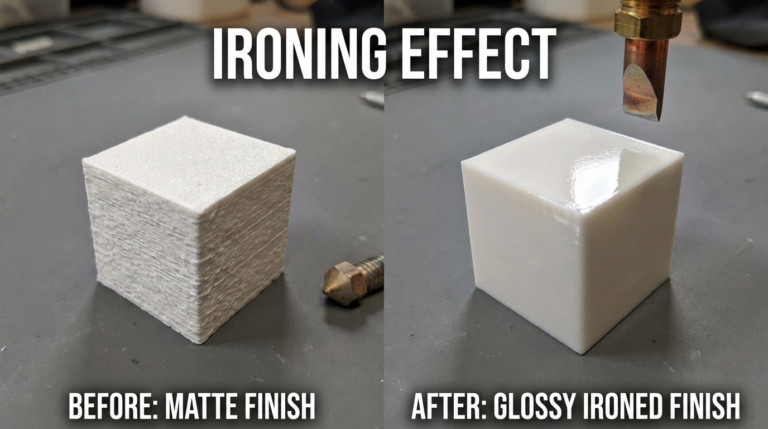
If you’ve ever looked at the top surface of an FDM print and wished it was smoother, ironing is the answer. This Cura feature runs the hot nozzle back over the top layer with minimal extrusion, effectively melting and flattening the surface. The result is a noticeably smoother, more professional finish — and it adds…