Similar Posts
Mainsail vs Fluidd: Choosing the Right Klipper Web Interface in 2026
Klipper Needs a Frontend — But Which One? Klipper firmware does not come with its own user interface. It runs as a background service on a Raspberry Pi (or similar SBC) and communicates through Moonraker, an API layer that handles file management, printer control, and status updates. To actually control your printer — start prints,…
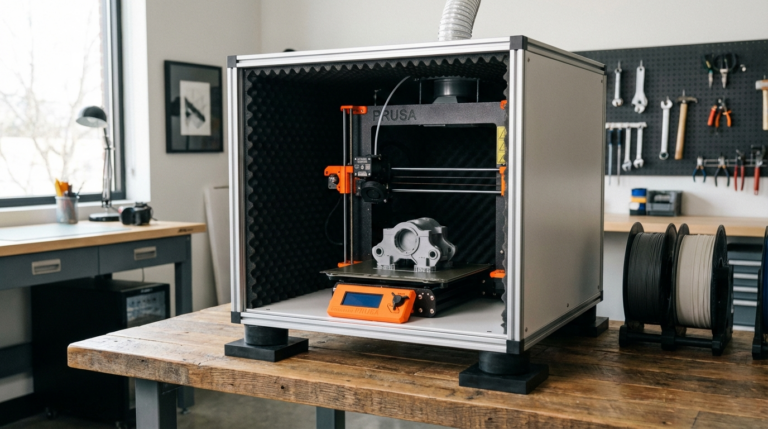
3D Printer Noise Reduction: Vibration Dampening Tips That Actually Work
Why 3D Printers Are So Loud (And What You Can Do About It) Let’s be honest: most 3D printers sound like a robot having an argument with a blender. Between stepper motors whining, fans screaming, and the frame vibrating against your desk, a multi-hour print can test anyone’s patience — especially if your printer lives…
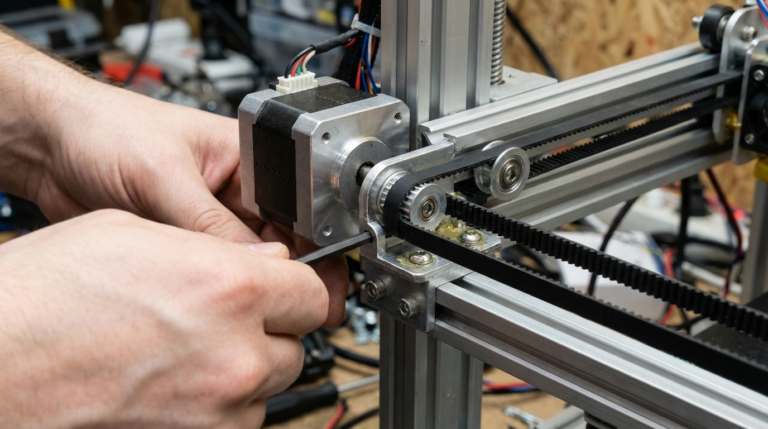
3D Printer Belt Tension: How to Calibrate and Adjust for Perfect Prints
Why Belt Tension Is Critical for Print Quality Your 3D printer’s motion system is only as good as the belts driving it. Too loose, and you’ll see ringing, ghosting, and dimensional inaccuracy. Too tight, and you’ll wear out bearings, strain stepper motors, and introduce a different kind of artifact. Getting belt tension right is one…
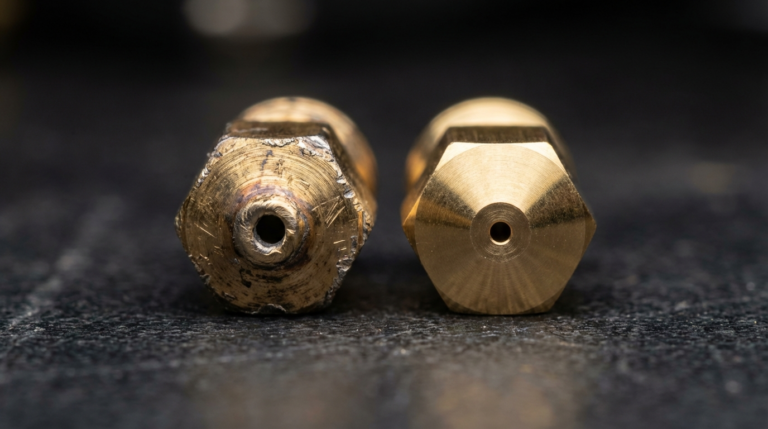
3D Printer Nozzle Wear: Signs, Causes, and When to Replace
Your Nozzle Is a Consumable Part — Treat It Like One Most 3D printer users don’t think about their nozzle until something goes wrong. But here’s the thing: nozzles wear out. They’re a consumable part, just like brake pads on a car. And a worn nozzle causes subtle quality issues that you might spend hours…
Best 3D Printer Enclosures: DIY Build and Buying Guide
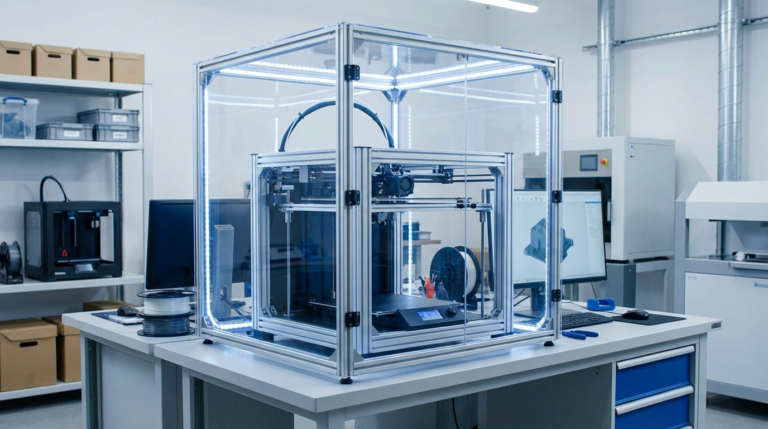
If you’ve ever tried printing ABS without an enclosure, you already know the pain — warping corners, cracking layers, and that lovely chemical smell wafting through your workspace. An enclosure solves all three problems by maintaining a stable, warm environment around your printer. But building or buying the right enclosure isn’t as simple as tossing…
How to Change Filament Color Mid Print: 4 Methods for Multicolor 3D Prints
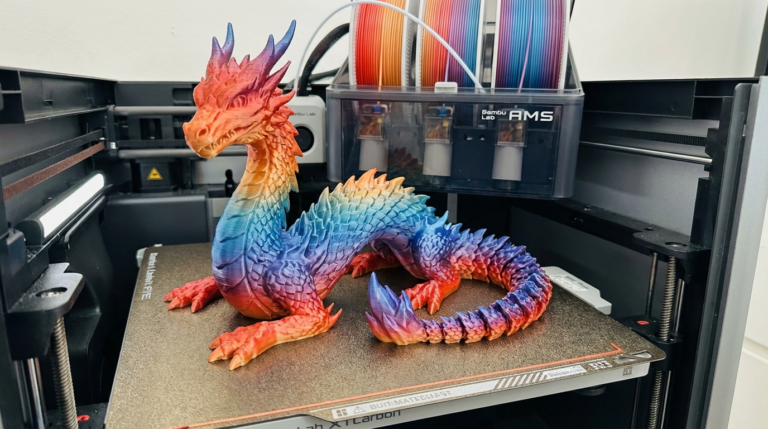
Why You’d Want to Change Filament Color Mid-Print Multicolor prints look amazing, but not everyone has a Bambu Lab AMS or a Prusa MMU sitting on their desk. The good news is that you don’t need any special hardware to print in multiple colors. With some simple slicer tricks and a willingness to babysit your…