Best 3D Printer for Tabletop Miniatures — Buyer Guide for Wargaming, Detail, and Bed Size
Why Picking a Printer for Tabletop Miniatures Is Its Own Buying Problem
A 3d printer for miniatures buyer guide tabletop wargaming detail bed size has to answer a question most printer reviews skip: what is the actual unit you intend to print, and how many of them per month? A skirmish-game player printing five Necromunda gangers a month has a totally different printer requirement than a Warhammer 40K commander printing an entire Imperial Guard force, and the wrong choice between FDM and resin can cost a year of frustration before the buyer figures out the mismatch.
This guide walks through the printing technologies for miniatures, the bed size question that actually matters for tabletop work (it is not what most reviewers think), the surface-detail thresholds that separate competition-grade prints from “good enough for the gaming table” prints, and specific 2026 recommendations across budget tiers and use cases. The goal is for a tabletop wargamer or RPG host to walk away knowing exactly which printer to buy for their actual play patterns, not which printer wins generic review roundups.
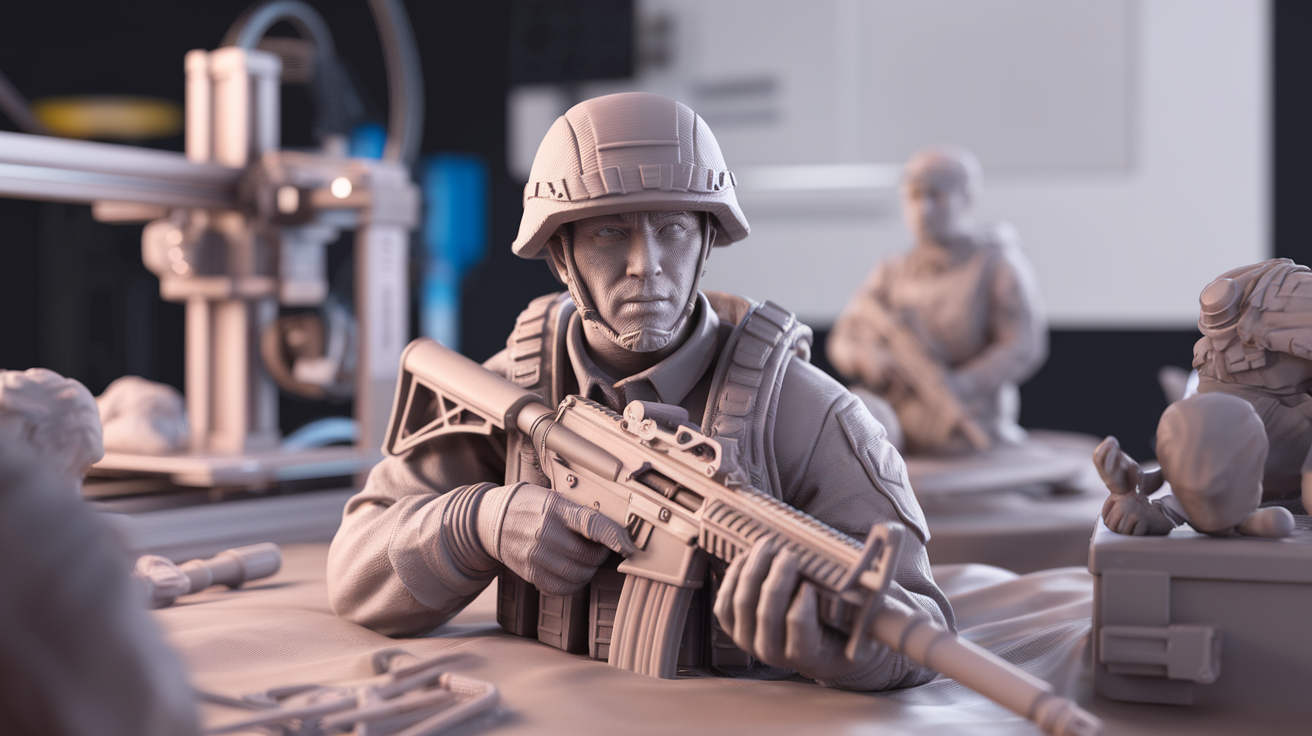
FDM or Resin — The Decision Most Buyers Get Wrong
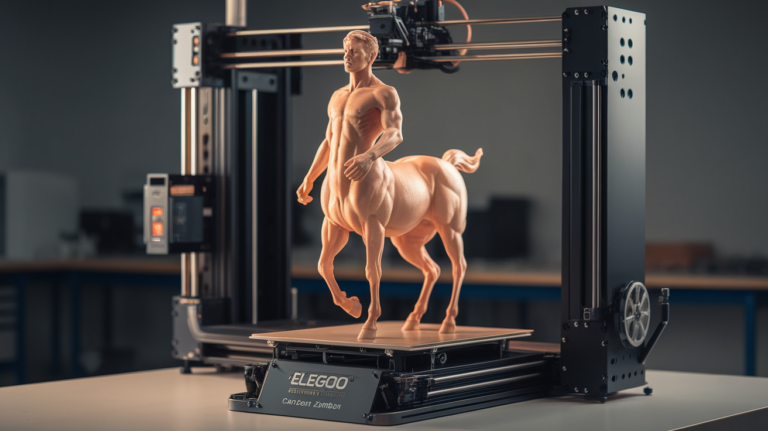
Resin (specifically MSLA — masked stereolithography) prints miniatures with surface detail FDM cannot match. Skin pores, weave patterns on cloaks, individual rivets on power armor — these are achievable on a $250 resin printer and not achievable on a $1,500 FDM printer. For competition-grade painting and for character display pieces, resin is the only correct answer.
That said, FDM is not the wrong answer for every tabletop use case. Bulk-printing rank-and-file infantry that will be painted to a tabletop standard rather than competition standard is faster and cheaper on FDM. Terrain — buildings, rocks, fortifications, scatter — is overwhelmingly an FDM job; resin terrain wastes resin on volumes where surface detail is invisible at table-viewing distance. The 3d printer for miniatures buyer guide tabletop wargaming detail bed size question often resolves to “you want both eventually,” but the order in which to buy matters for budget-conscious buyers.
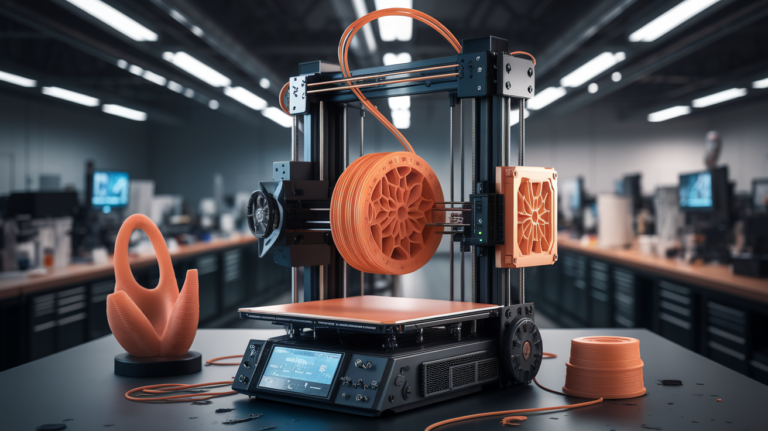
For most wargamers, the right entry point is a small resin printer for character models and a budget FDM printer for terrain. Total entry cost can be under $500 if both are chosen carefully, and the trade-off between the two technologies is settled at the unit-by-unit level rather than printer-by-printer.
The Bed Size Question That Actually Matters
Most reviews discuss bed size in terms of “build volume” — how big a single object can be. For tabletop miniatures, that is the wrong metric. The right metric is “how many minis fit on a build plate at once,” because miniature printing is overwhelmingly a batch job. A resin printer with a 200 x 130 mm plate can fit twenty 32 mm infantry models at once. A printer with a 165 x 100 mm plate fits twelve. Per-mini print cost on the smaller plate is dominated by per-batch overhead — washing, curing, plate cleaning — and ends up two-thirds higher per unit even though resin and electricity costs are identical.
For FDM terrain printing the equivalent question is whether multi-piece terrain (large modular buildings, ruined walls, road tiles) can fit on the bed in single pieces. Bambu A1 Mini at 180 x 180 mm bed handles individual scatter terrain pieces but forces large buildings into multi-print assembly. The Centauri Carbon 2 at 256 x 256 mm bed prints most modular building modules in one piece. For a 3d printer for miniatures buyer guide tabletop wargaming detail bed size buyer, the printer that prints a typical building module without splitting saves enough assembly time per terrain piece to justify the upgraded bed within a single project.
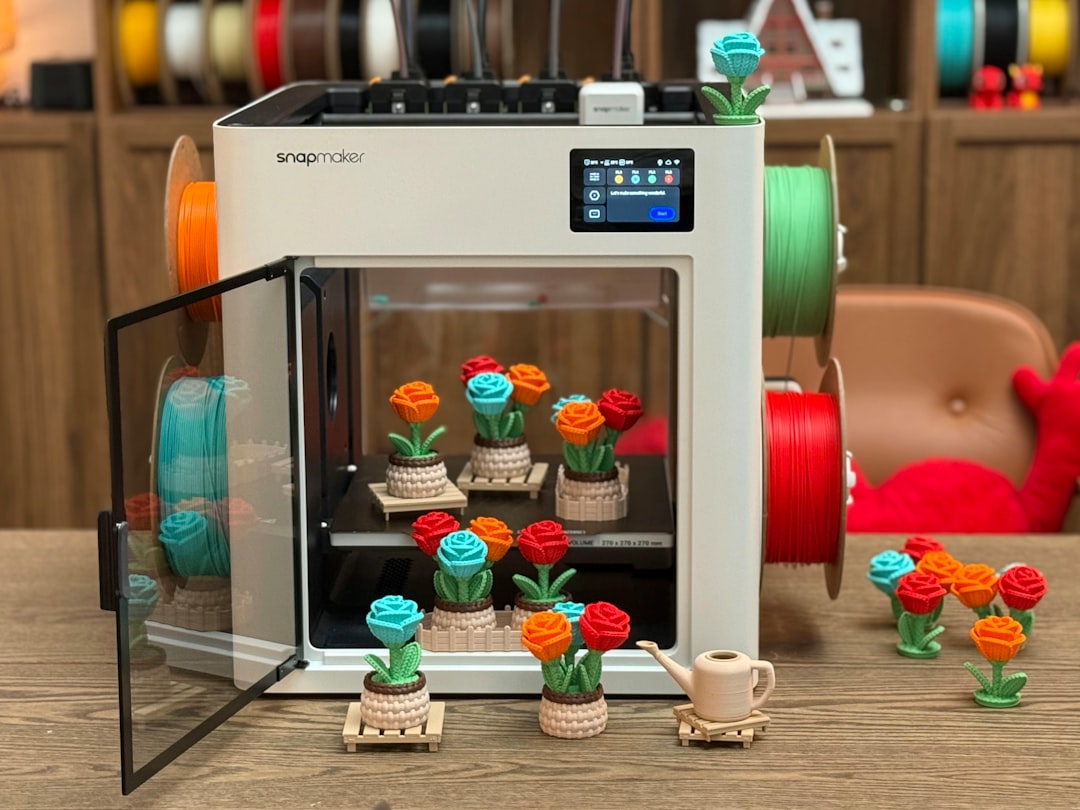
Surface Detail — What “32 mm Heroic Scale” Actually Demands
Tabletop miniatures live in a narrow scale range — 28 mm to 32 mm “heroic” in most modern systems, with some 15 mm and 6 mm in historical and mass-battle systems. Surface detail demands at 32 mm scale are well-documented: feature sizes down to 0.1 mm need to be printable for clean armor edges, weapon details, and facial features. That is the inflection point that separates resin from FDM in practice.
For resin printers, the screen pixel size determines achievable detail. A 4K mono LCD at 200 x 130 mm bed produces 0.052 mm pixels; an 8K mono LCD at 200 x 130 mm produces 0.029 mm pixels. The 4K screens are completely sufficient for tabletop play and cost meaningfully less; 8K screens become worth their premium only for competition painting or display models. For most tabletop buyers, 4K is the right choice and saves $80 to $150 over equivalent 8K options.
For FDM, the practical detail threshold is the nozzle diameter. A 0.4 mm nozzle produces miniatures with visible layer lines and acceptable but not crisp surface detail. A 0.2 mm nozzle improves detail meaningfully but increases print time by roughly 3x. For terrain at tabletop distance, a 0.4 mm nozzle is correct; for any miniature that will be photographed or competition-painted, FDM is the wrong tool regardless of nozzle.
Resin Recommendations for 2026
Anycubic Photon Mono M5s Pro at $329 is the strongest entry-tier resin printer for the 3d printer for miniatures buyer guide tabletop wargaming detail bed size buyer. The 200 x 130 mm bed fits twenty heroic infantry per batch, the 7K LCD produces 0.034 mm pixels, and the active resin heater holds chamber temperature stable for consistent cure across batches. Sound levels are low enough for shared rooms.
Elegoo Saturn 4 Ultra at $399 ups the bed size to 219 x 123 mm with a 12K LCD. The combination is overkill for most tabletop play but produces competition-grade results out of box. For a buyer who wants their entry-tier printer to also serve display painting, the Saturn 4 Ultra is worth the upgrade premium.
Phrozen Sonic Mighty Revo at $599 is the choice for high-volume printing — its 13.6 inch 14K screen produces 0.024 mm pixels at a 218 x 123 mm bed and includes Phrozen’s latest cooling system that keeps the LCD healthy across thousands of print hours. For a wargamer running a club’s mini-printing service, this is the printer that pays for itself within the first year.
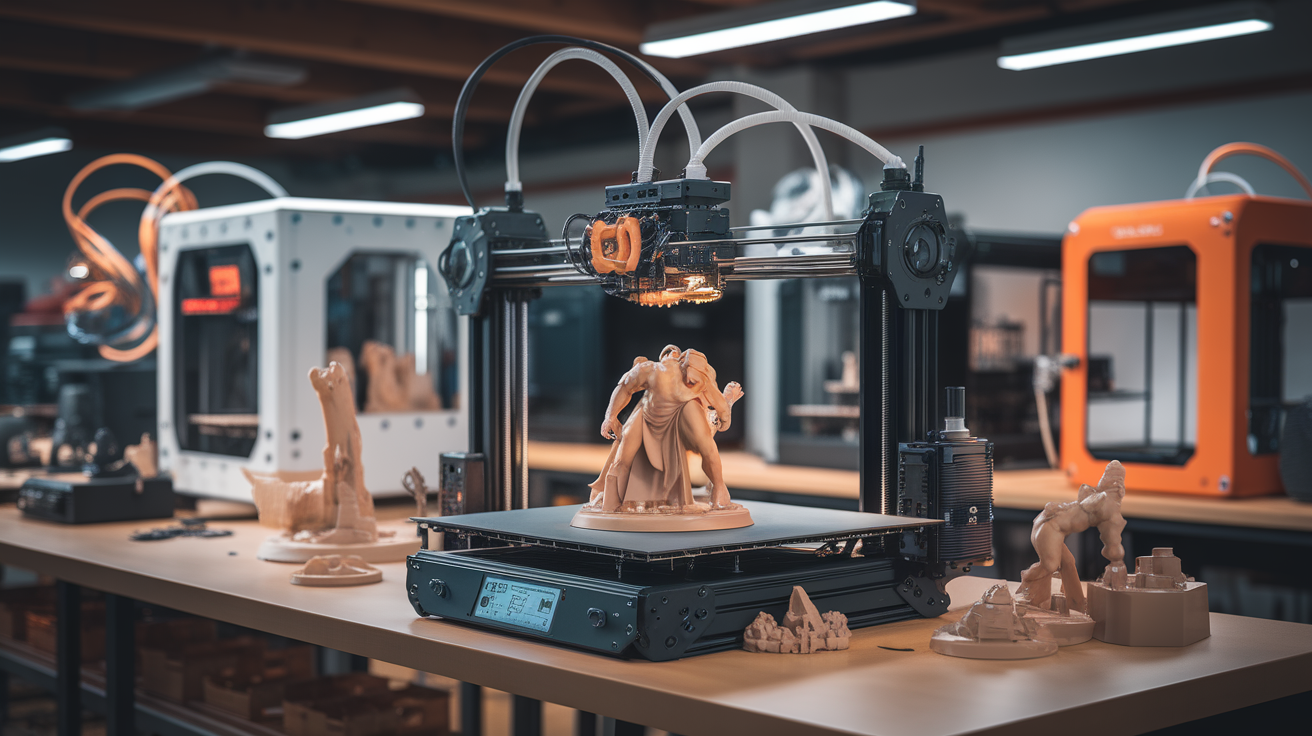
FDM Recommendations for Terrain
Bambu A1 at $399 is the entry recommendation for FDM terrain printing. The 256 x 256 mm bed handles most building modules in one piece, the AMS Lite ($249 add-on) enables multi-color terrain (stone walls with green moss accents, painted buildings) without paint. Speed and reliability make it the easy choice for someone whose primary printer use is terrain.
The Centauri Carbon 2 standalone at $999 is the choice for terrain printers who also want carbon-fiber-capable hardware for occasional functional prints. Its 256 x 256 mm bed and faster motion system shorten print times on large terrain pieces by roughly 30 percent versus the A1.
The Sovol SV07 Plus at $499 is the budget choice for very large terrain pieces — its 350 x 350 mm bed handles cathedral-scale terrain modules in one print where smaller printers force multi-part assembly. For a buyer focused on Frostgrave-scale terrain or 28 mm fantasy strongholds, this is the under-$500 standout in the 3d printer for miniatures buyer guide tabletop wargaming detail bed size lineup.
Mistakes Buyers Make and How to Avoid Them
The first common mistake is buying an oversized resin printer thinking bigger is better. A 9.5 inch screen 8K printer prints individual minis no faster than a 6.6 inch 7K printer — the per-layer cure time is dominated by the LCD on/off cycle, not by total bed area. Buyers who do not need the larger bed for batch reasons are paying for capacity they will not use. Match the bed to actual batch sizes.
The second is buying FDM “for the detail” because a YouTube reviewer demonstrated a fine PLA print. Even on a tuned FDM printer, the surface finish on a 32 mm hero model will not match an entry-tier resin printer. The right framing is to buy FDM for terrain and resin for figures, not to expect either to do both well.
The third is underbudgeting for resin printing’s hidden costs. Resin itself is $25 to $60 per liter depending on type. A wash-and-cure station is functionally required at $80 to $200. Nitrile gloves, IPA or replacement-resin wash fluid, and a properly ventilated work area are all real ongoing costs. A 3d printer for miniatures buyer guide tabletop wargaming detail bed size buyer should budget roughly the printer’s purchase price again in first-year consumables and infrastructure.
Verdict — The Right Buy by Use Case
For a casual tabletop player printing a unit a month: Anycubic Photon Mono M5s Pro plus a wash-and-cure station, around $500 total. Skip FDM entirely for the first year and buy terrain off the table.
For a player who runs both armies and terrain: Elegoo Saturn 4 Ultra plus Bambu A1, around $800 total. Both technologies, both used for what they are good at.
For a club that prints for a roster of players: Phrozen Sonic Mighty Revo plus Centauri Carbon 2, around $1,600 total. Volume capacity in both modalities, fast turn-around, and a hardware base that scales to commission work if the club ever decides to.
For more on the FDM-versus-resin question for detail specifically, see our FDM vs resin for D&D miniatures piece, and for the density-and-detail tradeoff in FDM specifically, our optimal density for fine-featured faces in FDM miniatures guide goes deeper than this buyer guide allows.